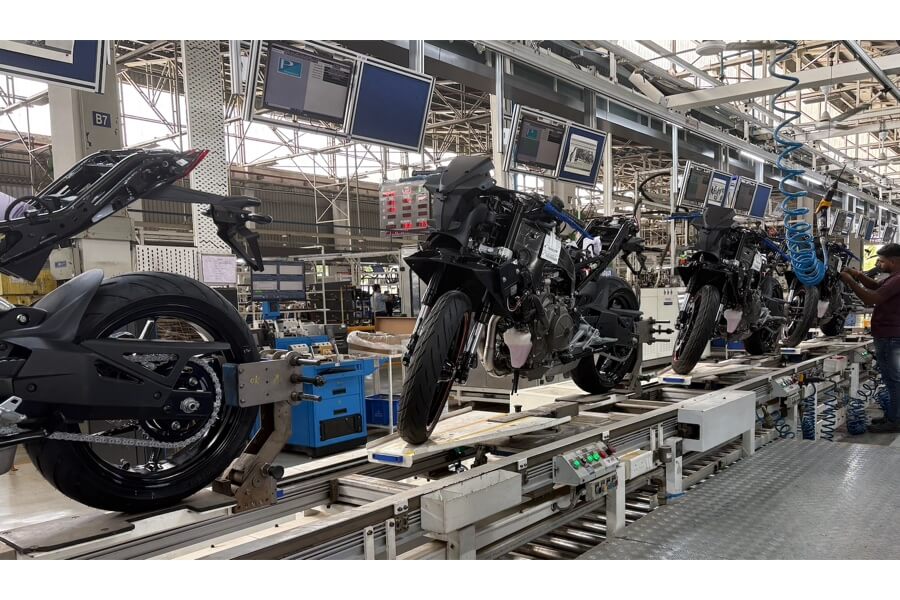
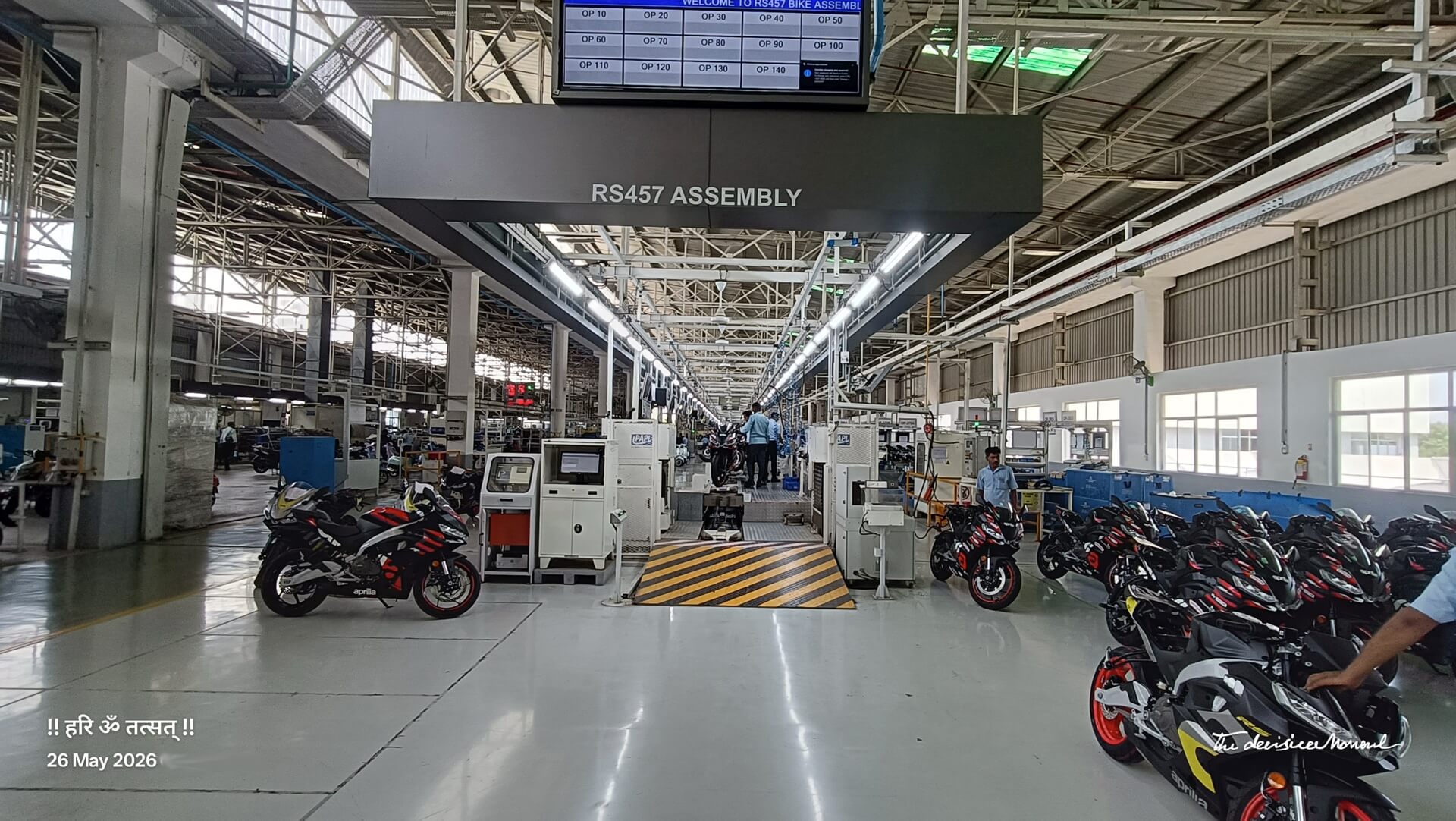
PVPL, Baramati, India. End section of the Aprilia RS 457 motorbike production line.
LAUNCHED IN THE PIAGGIO GROUP FACILITIES IN INDIA – WITH PRODUCTION LINES FOR ENGINES, COMMERCIAL VEHICLES, SCOOTERS AND MOTORCYCLES – THE PROJECT IS SET TO BE EXTENDED TO PRODUCTION SITES IN ITALY, TO CREATE AN INTEGRATED AND UNIFIED SYSTEM THAT IS MORE EFFICIENT AND SECURE
Source: Piaggio Group.
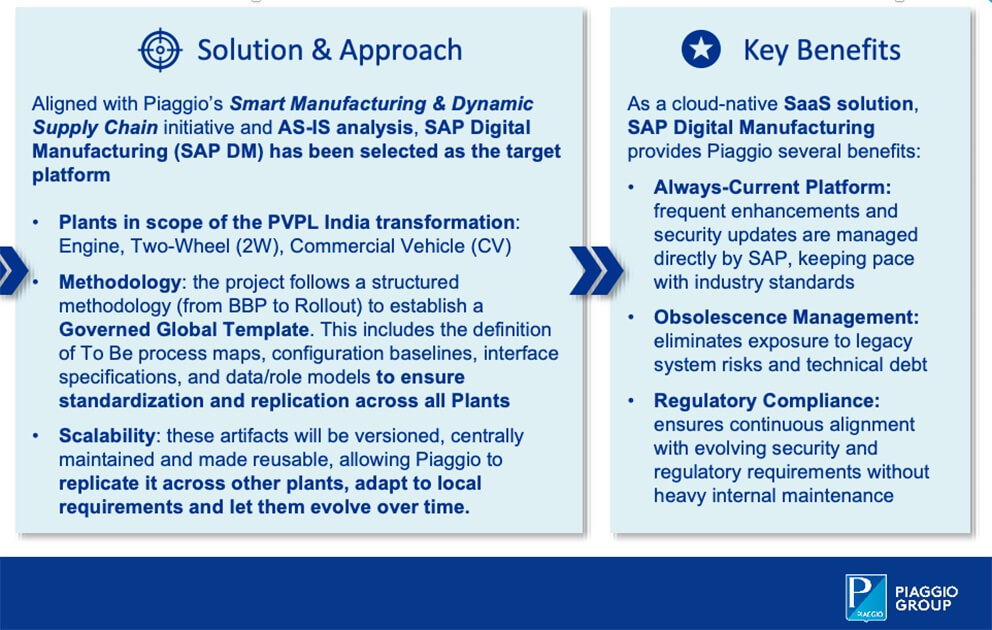
September 2026 (G.T.) – The combination of quality and security is the ‘mantra’ that guides every aspect of Piaggio Group’s industrial production, including its IT systems and applications. But how are these evolving in modern factories? One example of this is the major project currently being implemented, recently rolled out in the production plants of the Indian subsidiary PVPL (Piaggio Vehicles Private Limited), with headquarters in Pune and facilities in Baramati (Maharashtra, India); the project is also set to be launched across the Group's Italian plants in the coming months. It is not simply a matter of changing or updating the IT applications that are essential to production in the factories: it represents a real paradigm shift, as Vittorio Boero, Chief Information Officer (CIO) of the Piaggio Group, explains: “The initiative – the PVPL/MES 2.0 project – addresses Piaggio PVPL’s need to stabilise and secure its production lines as the primary system for data collection, production tracking and the management of any eventual non-conformities, as well as the main interface for operators.”
Source: Piaggio Group.
Dr Vittorio Boero continues: “The initiative is designed to stabilise PVPL production operations, replacing the previous solution with SAP Digital Manufacturing (SAP DM) – a SaaS-based MES platform – and implementing this gradually across the Indian plants.”
The initiative is being developed under the strict guidance of the Product Manufacturing Department; as Matteo Boddi (Executive Vice President of Product Manufacturing) explains, under this project, the Business Blueprint phase will define the ‘To-Be’ processes for all Piaggio Group plants, establishing a unified model that will initially be implemented at PVPL in India, before being extended to the other production sites. In a nutshell, the MES is destined to become the backbone of the Group’s production system, and more broadly, to act as a key catalyst for change management.
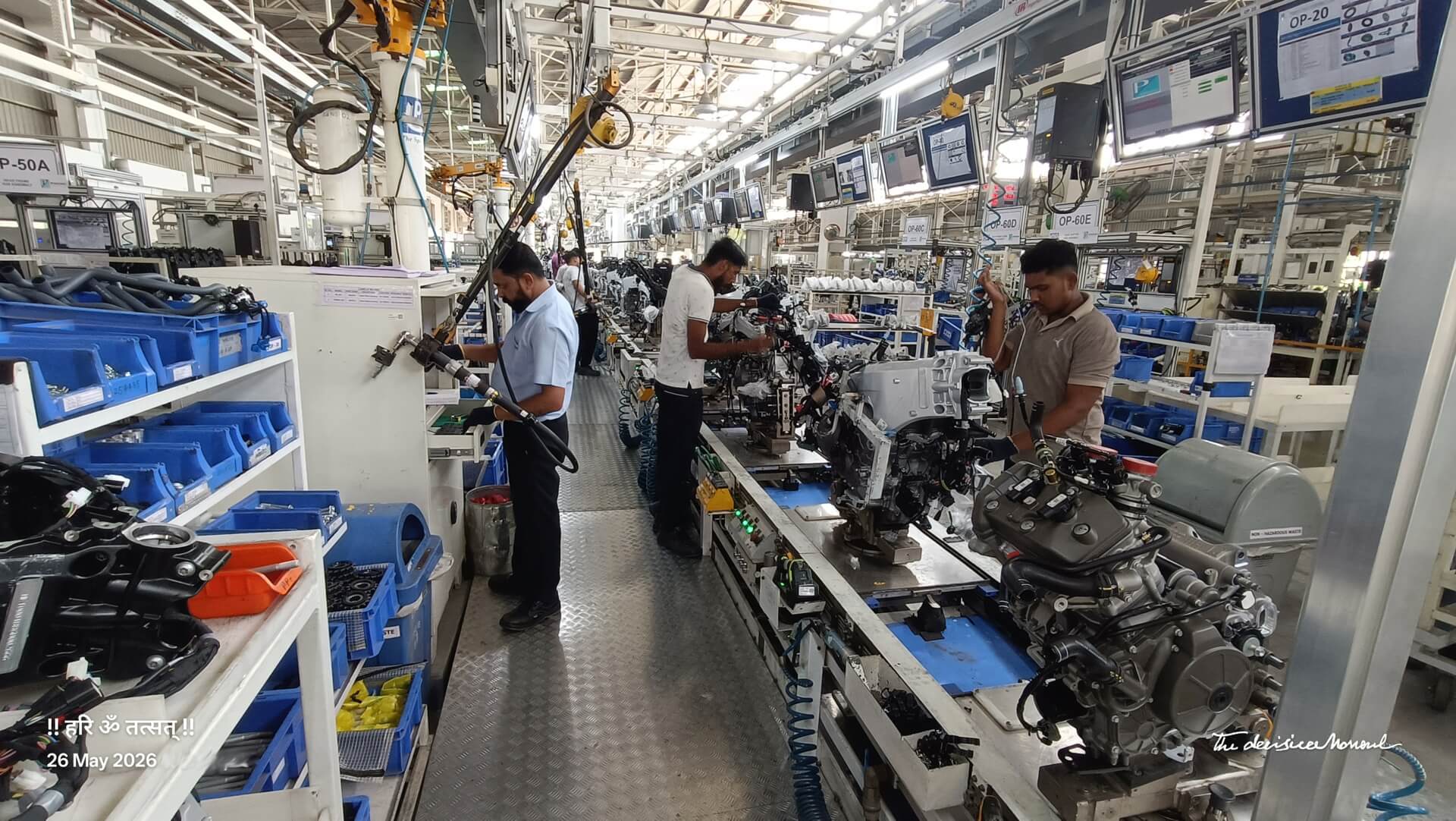
PVPL, Baramati, India. Initial area of the Aprilia RS 457 motorbike production line, from the engine to vehicle assembly, right through to the post-production test area (shown in the photo below the headline).
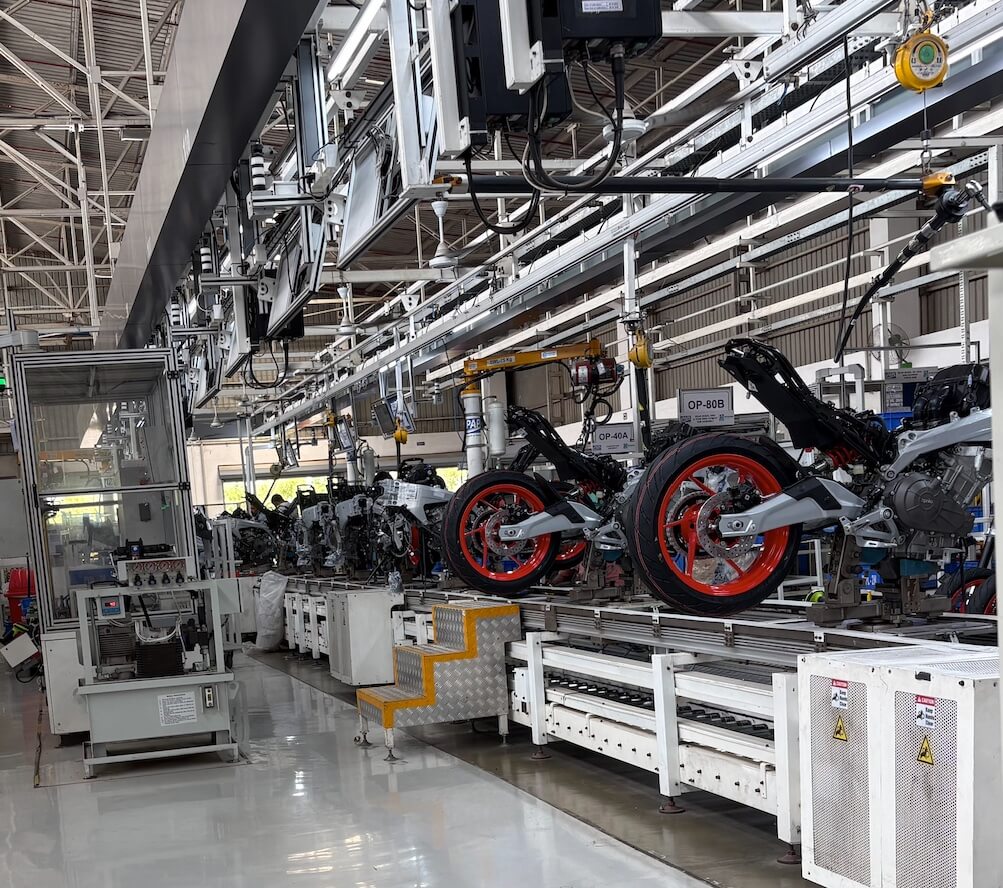
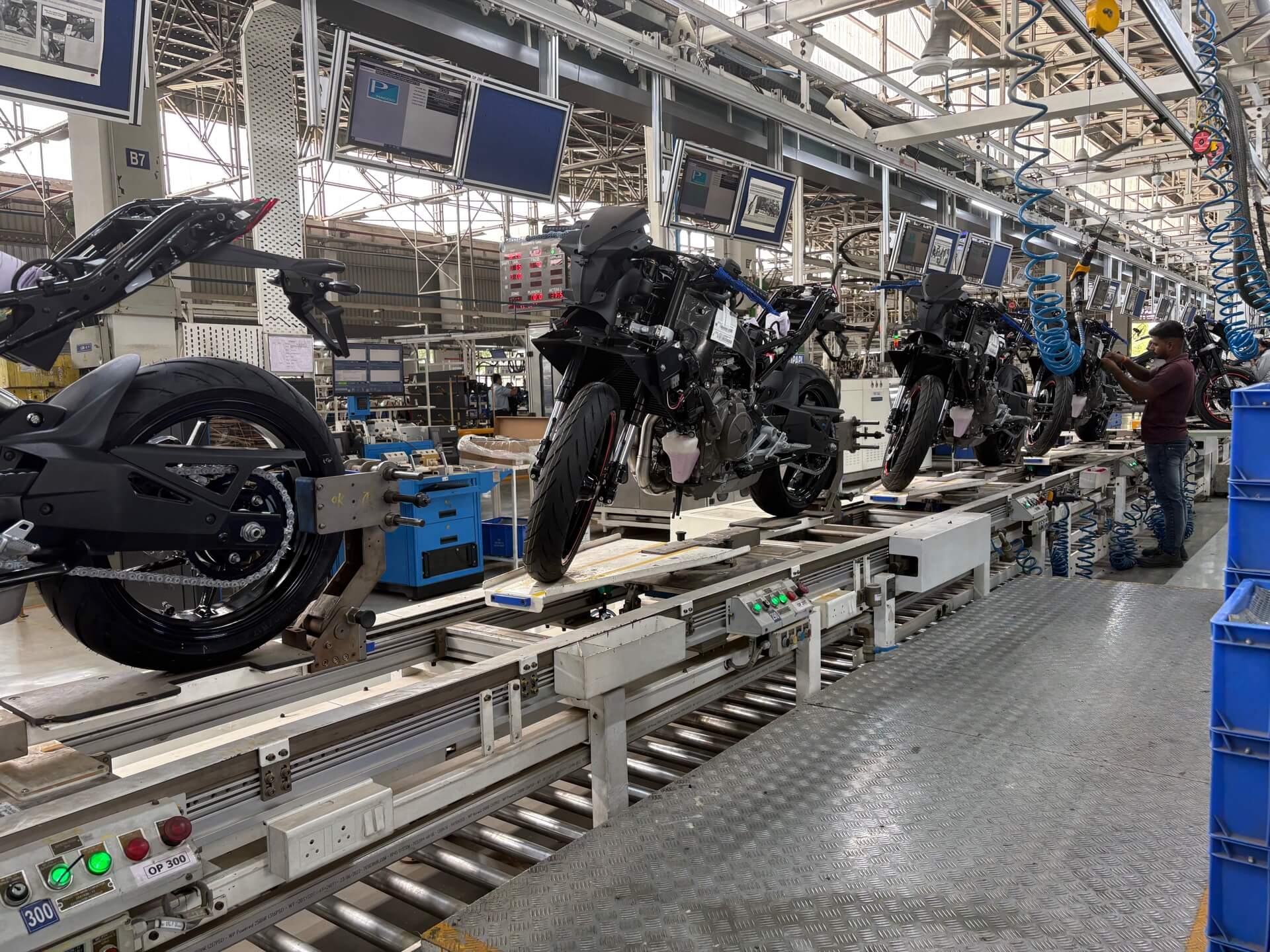
PVPL, Baramati, India.
Dr. Vittorio Boero, what stages are planned at the Indian sites? “The implementation process in India is as follows: the Engines plant (selected as the pilot site), followed by the Commercial Vehicles (CV) plant and the Two-Wheelers (2W) plant. In terms of implementation and deployment, the project in question covers the various functionalities identified during the assessment phase for the Indian plants; however, as the study was carried out with the involvement of Global business owners, the system serves as a template to be rolled out across all the Group’s plants. Any further implementation activities will therefore be the subject of tailored proposals, designed to meet the specific requirements of Piaggio’s other plants, which we believe will be minimal".
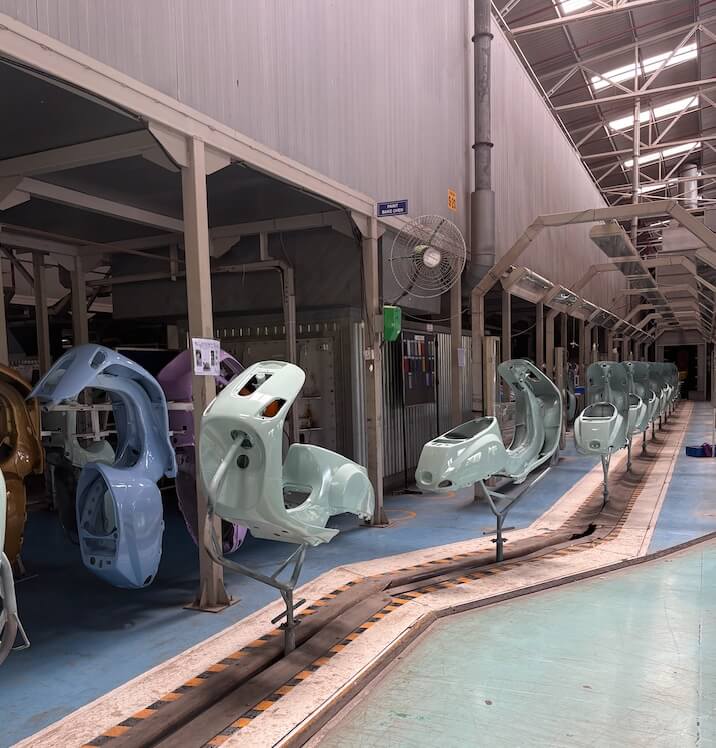
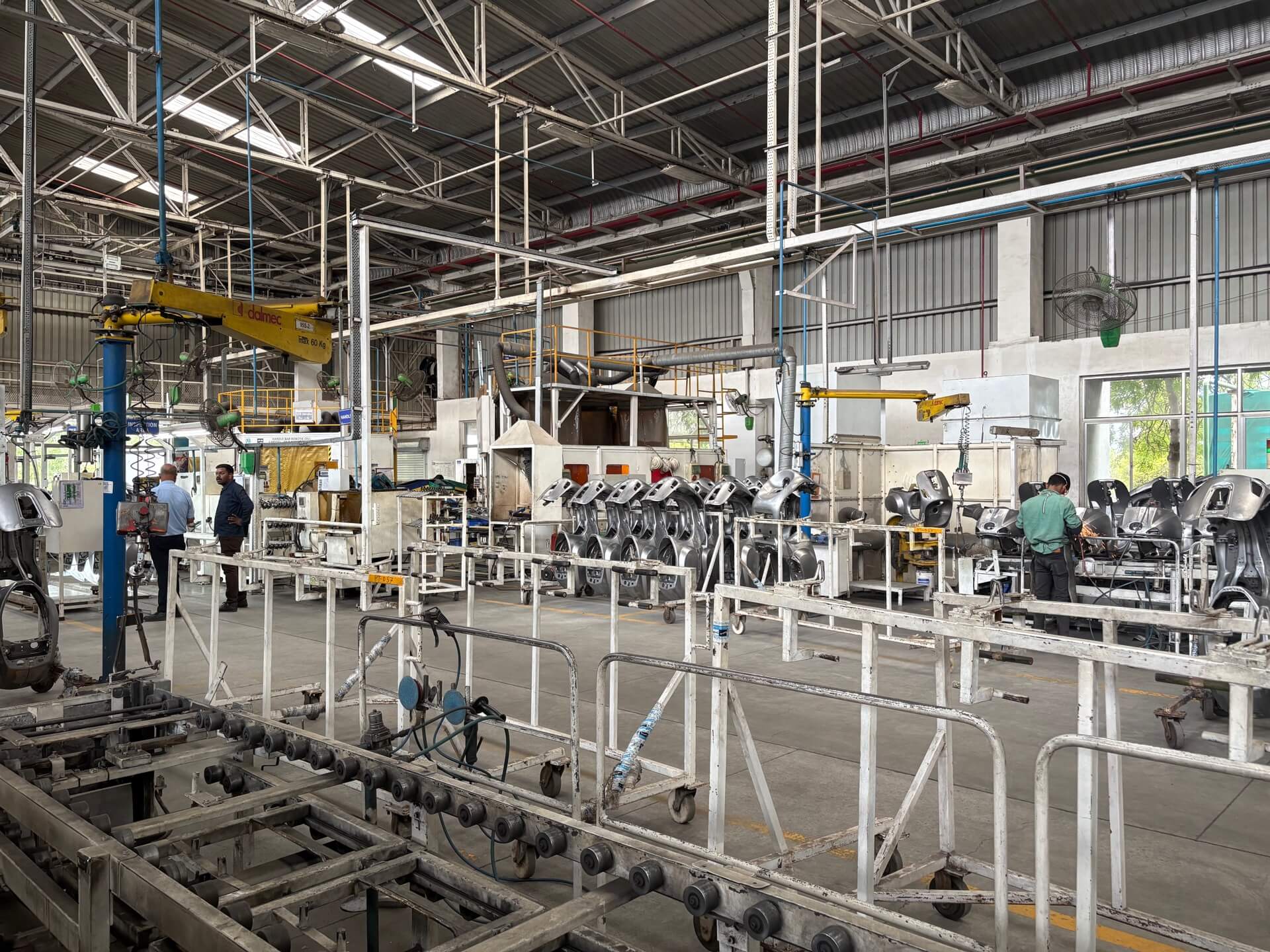
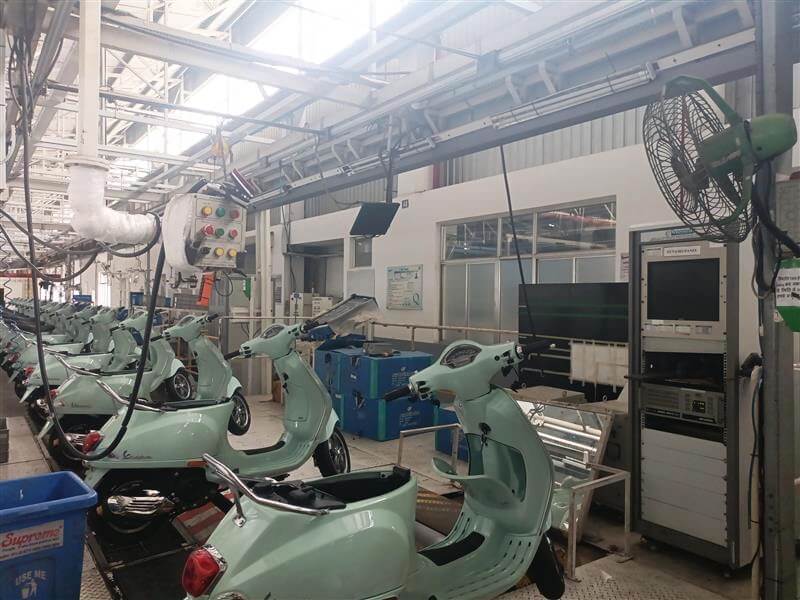
PVPL, 2W plant: painting, welding, assembly.
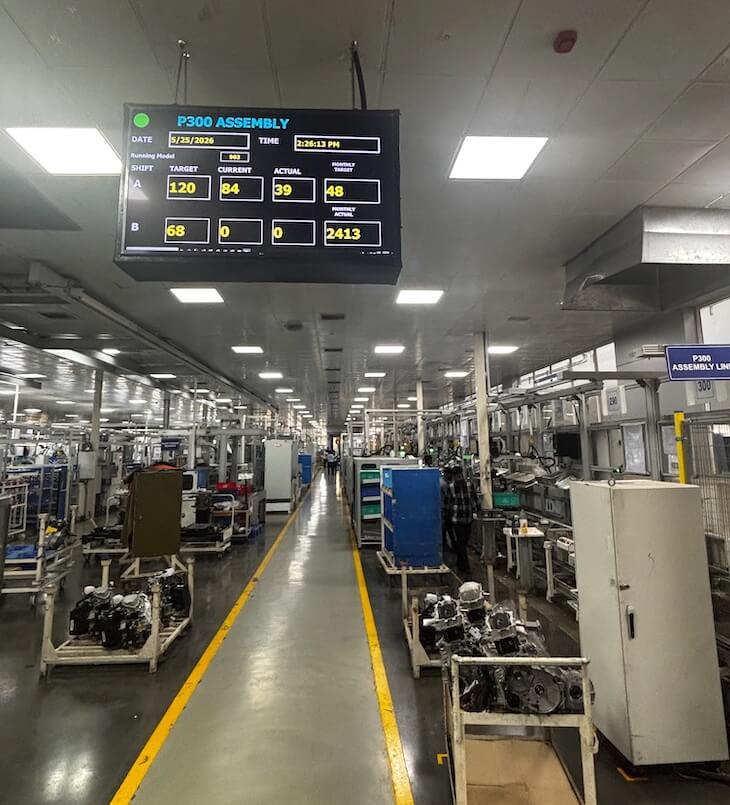
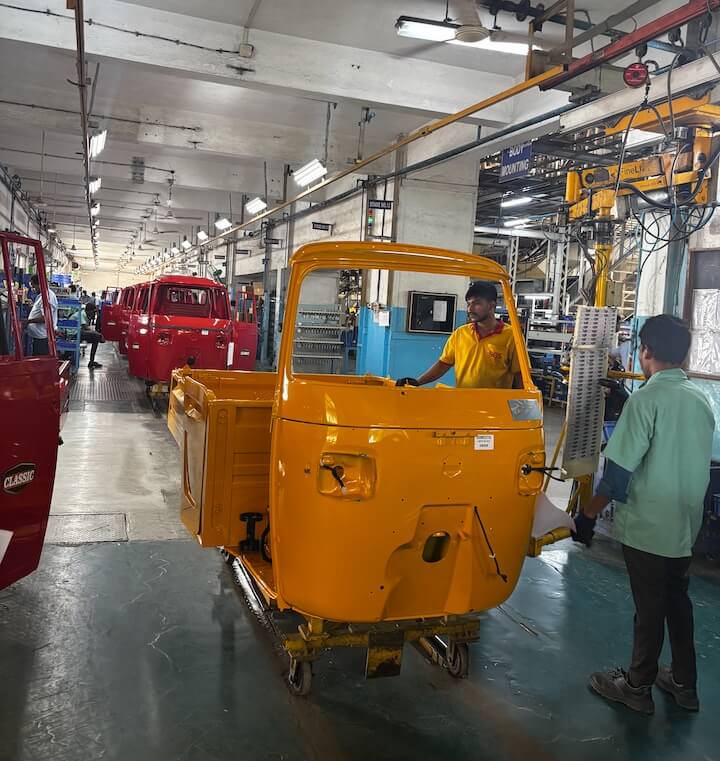
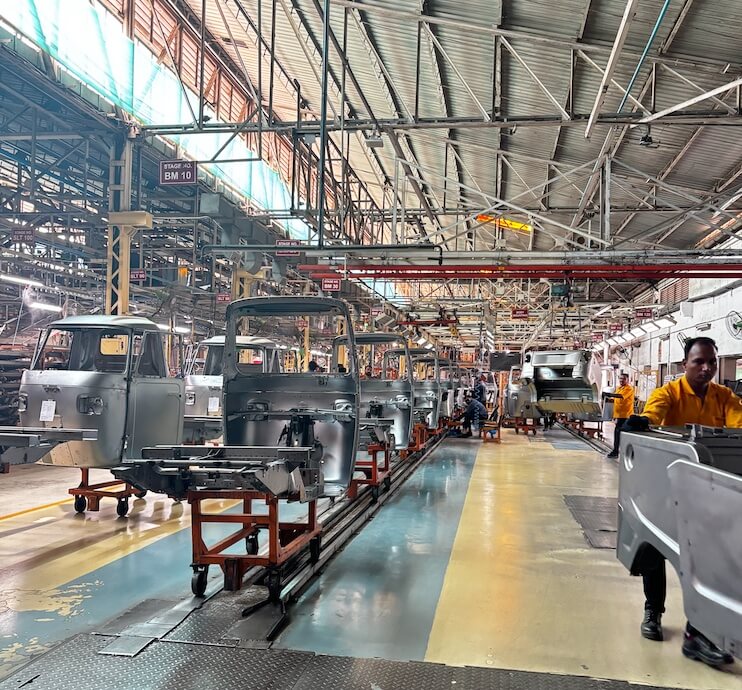
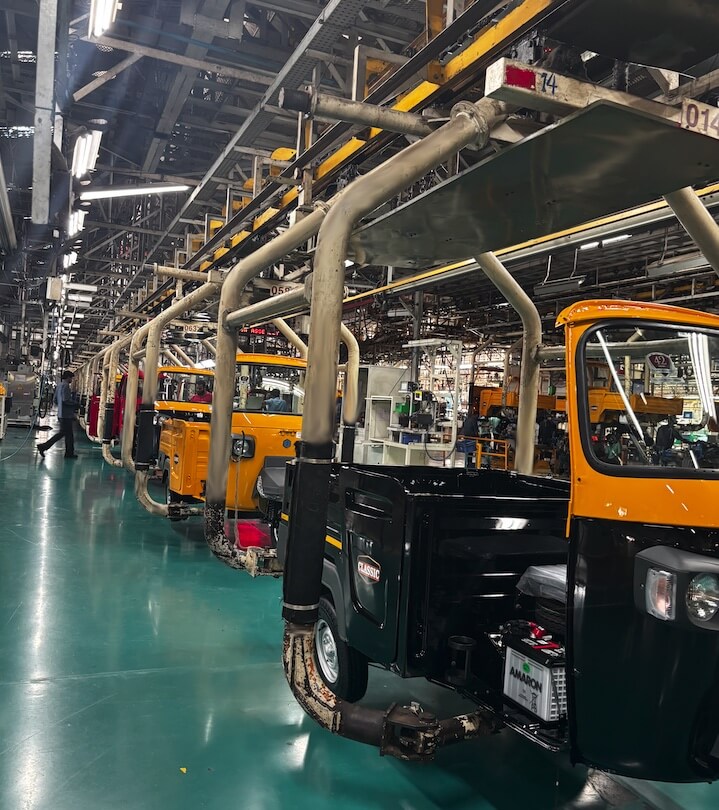
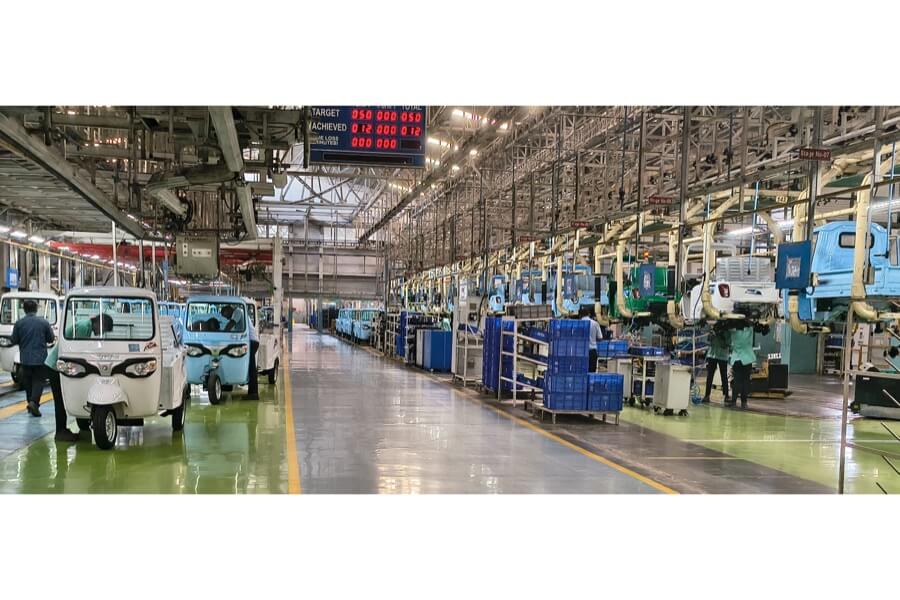
PVPL, engine assembly; commercial vehicles plant: painting, welding, assembly.
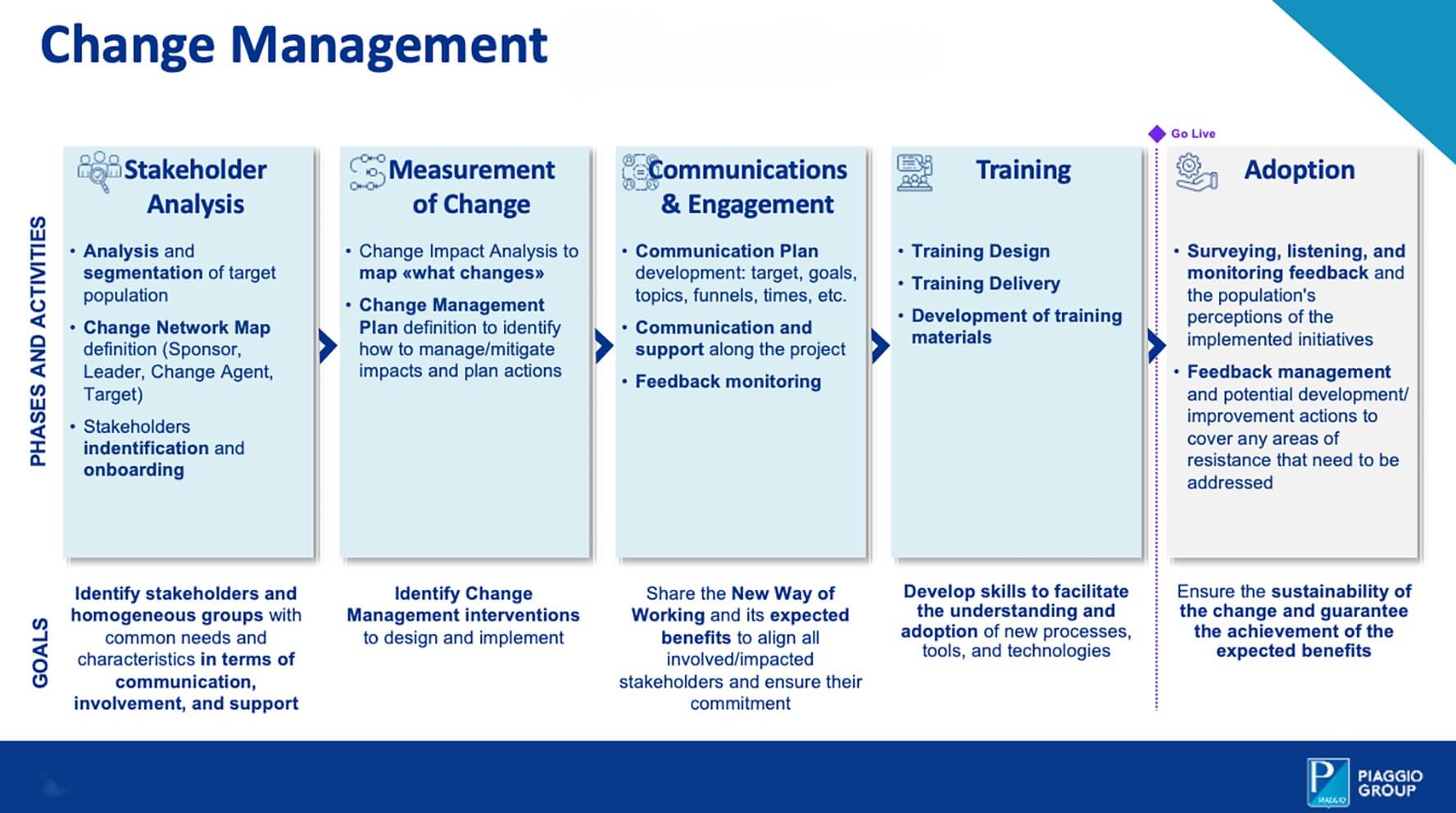
How do you plan to support the management teams and staff during the implementation phase? “With a series of activities scheduled in phases – as illustrated in the slide below – including engagement and training initiatives, plus regular checks. The project kicked off in early June 2026, and is proceeding as planned. It represents a commitment at all levels to make the IT systems at our plants even more efficient and secure”.
Source: Piaggio Group.
Vittorio Boero continues: “The roll-out marks the launch of one of the most significant initiatives, not only for India/PVPL but for Piaggio’s global operations as a whole. The project is strategic in nature, in that it is designed to establish a new operational model for managing the plant operations of the entire Piaggio Group. The initiative is part of a wider project to modernise the Manufacturing Execution System (MES), which is set to be extended to all plants as part of a comprehensive multi-year programme.”
This initiative, explains Diego Graffi (Chief Executive Officer and Managing Director of Piaggio Vehicles Private Limited), represents a further step in the process of renewing and strengthening Piaggio’s operations in India, following the introduction of new models in the two-wheeler product range, which have already enabled the incorporation of innovative elements into local production processes, aligned with the Group’s best practices.
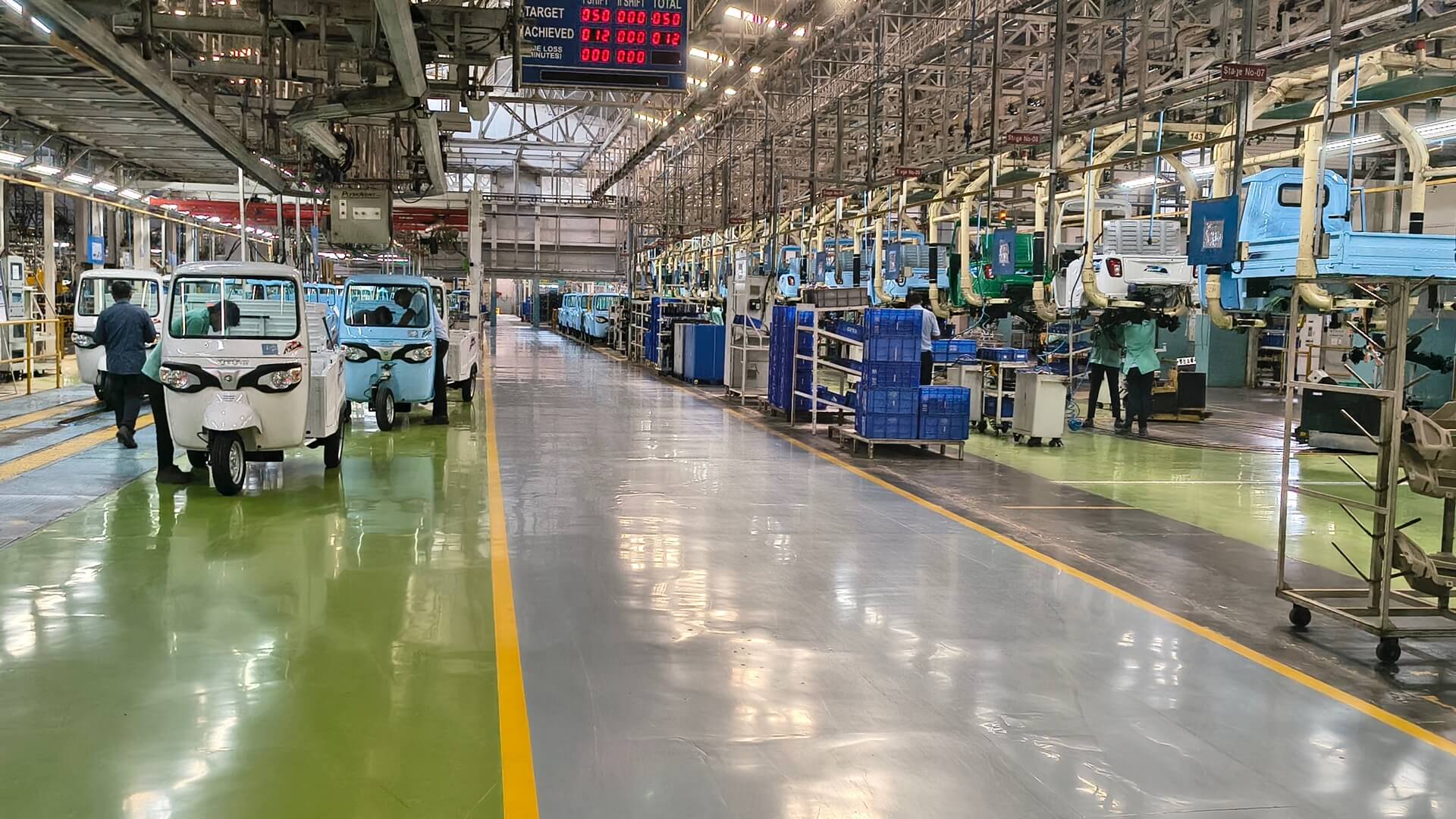
PVPL, commercial vehicles plant, assembly shop.
Vittorio Boero concludes: “The initiative is the result of an in-depth study launched in recent years, which will also receive funding from the Italian government. The model (template) that is set to be designed and implemented at PVPL will be conceived to be unique at global level. Subsequently, in line with the corporate strategy, it will be extended to the Piaggio Group’s other production plants (starting with Pontedera, Scorzè and Mandello/Italy), benefiting significantly from the contribution of the Pontedera head office and from the successful establishment of a single model applicable to the production staff of the entire Group”.
PVPL INDIA:
https://piaggio-cv.co.in/
PIAGGIO GROUP:
https://www.piaggiogroup.com/en