AN UNEXPECTED ARBOREAL JOURNEY FOR MOTORCYCLISTS
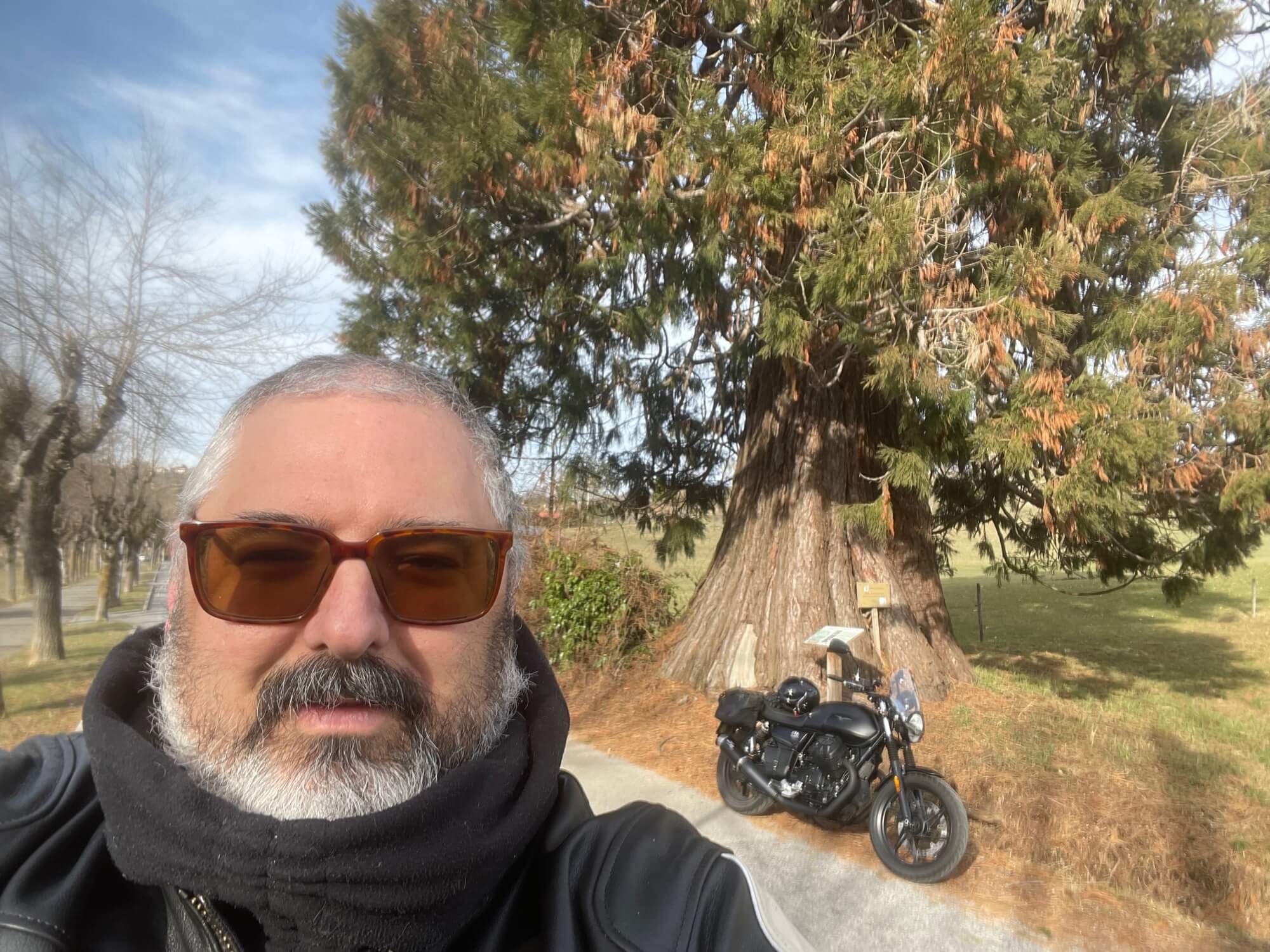
February 2026 (G.T.) – “Fantastic Guzzisti and Where to Find Them”, to paraphrase the successful fantasy film from ten years ago (2016, the first in the saga), directed by David Yates and written by the famous J.K. Rowling. This time, a “fantastic Guzzista” found us, writing to Wide and declaring: “My name is Tiziano Fratus. Over the last twenty-five years, I have published a number of books with various publishers, worked with newspapers and magazines, and I edit documentaries for Geo on Rai 3. Nature is at the heart of my research and writing, everything that constitutes nature around us, within cities and of course, and outside urban environments above all. As a recent Moto Guzzi convert, I have the pleasure of riding a V7 Stone. This is my proposal for a voyage of discovery of the monumental trees across Italy that can be reached on a Moto Guzzi bike.” Kind “leafy” regards, Tiziano Fratus.
And here, in verse, prose and images – all courtesy of Tiziano Fratus – we have the fantastic journey of ‘homo radix’ travelling on his Moto Guzzi. Let’s follow his example: excitement, discoveries and amazement guaranteed.
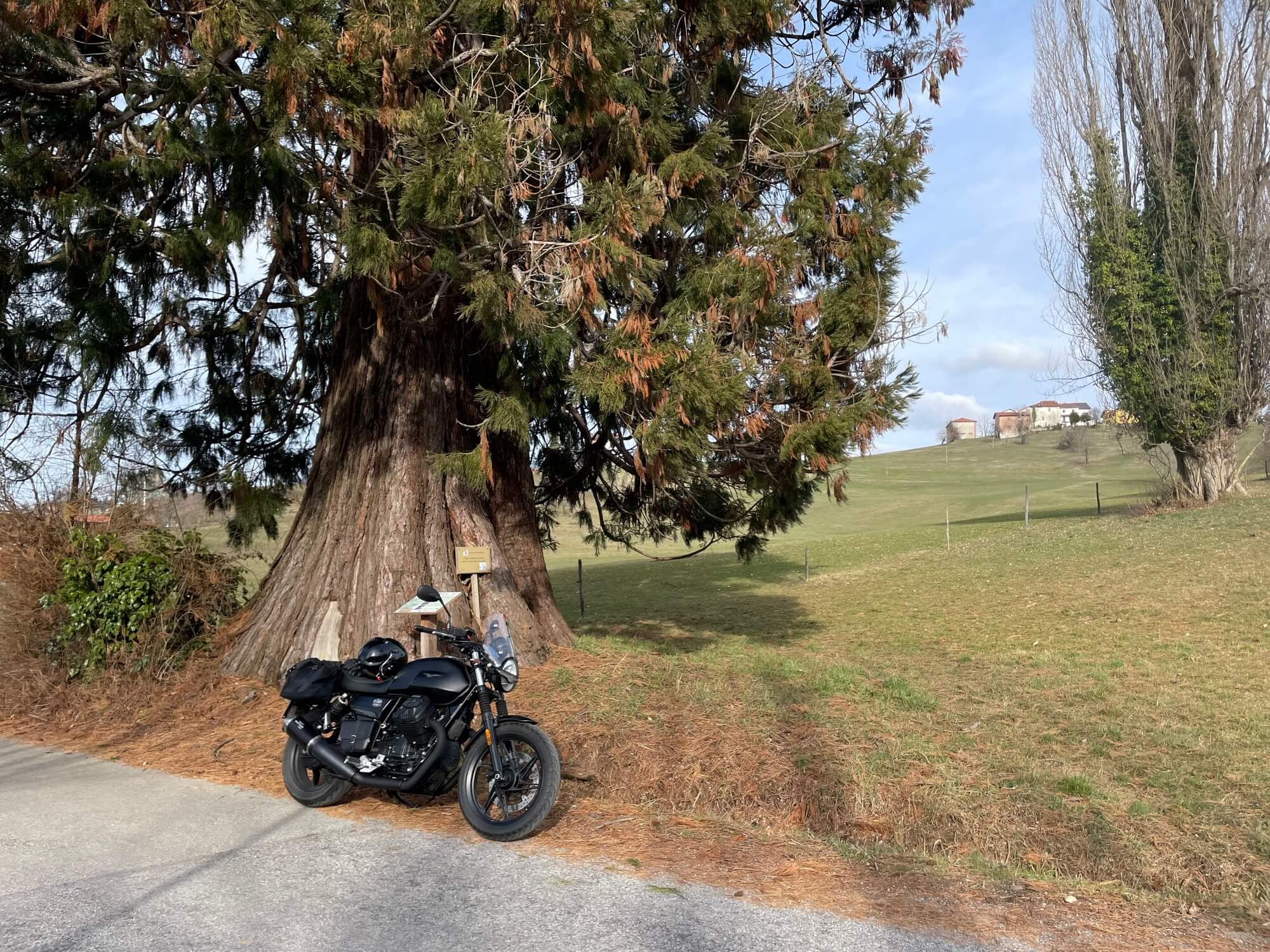
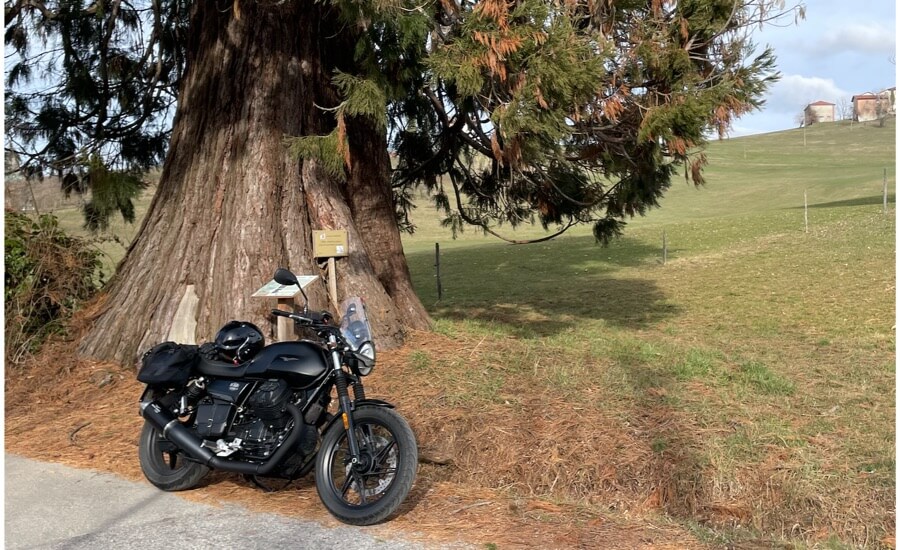
Sequoia tree in Vicoforte (Mondovì, Piedmont) and Moto Guzzi V7 Stone.
Test and images by Tiziano Fratus.
But where is this wind blowing us? Which of the thousand possible directions should we single out and follow? Italy is a country brimming with treasures, each one different from the next in terms of history, care or neglect, originality, and uniqueness. Isn't it marvellous to be able to climb onto our motorbikes and ride along roads that border different regions, crossing mountain passes and plateaus? Isn't it spectacular to reach the coast and feast your eyes and your senses on the different shades of navy and azure of our seas? But rhetoric aside, have you ever thought about getting on your bike to visit a living entity that could that could live, take root, poetically but above all literally, for a thousand years? Or more? It’s possible.
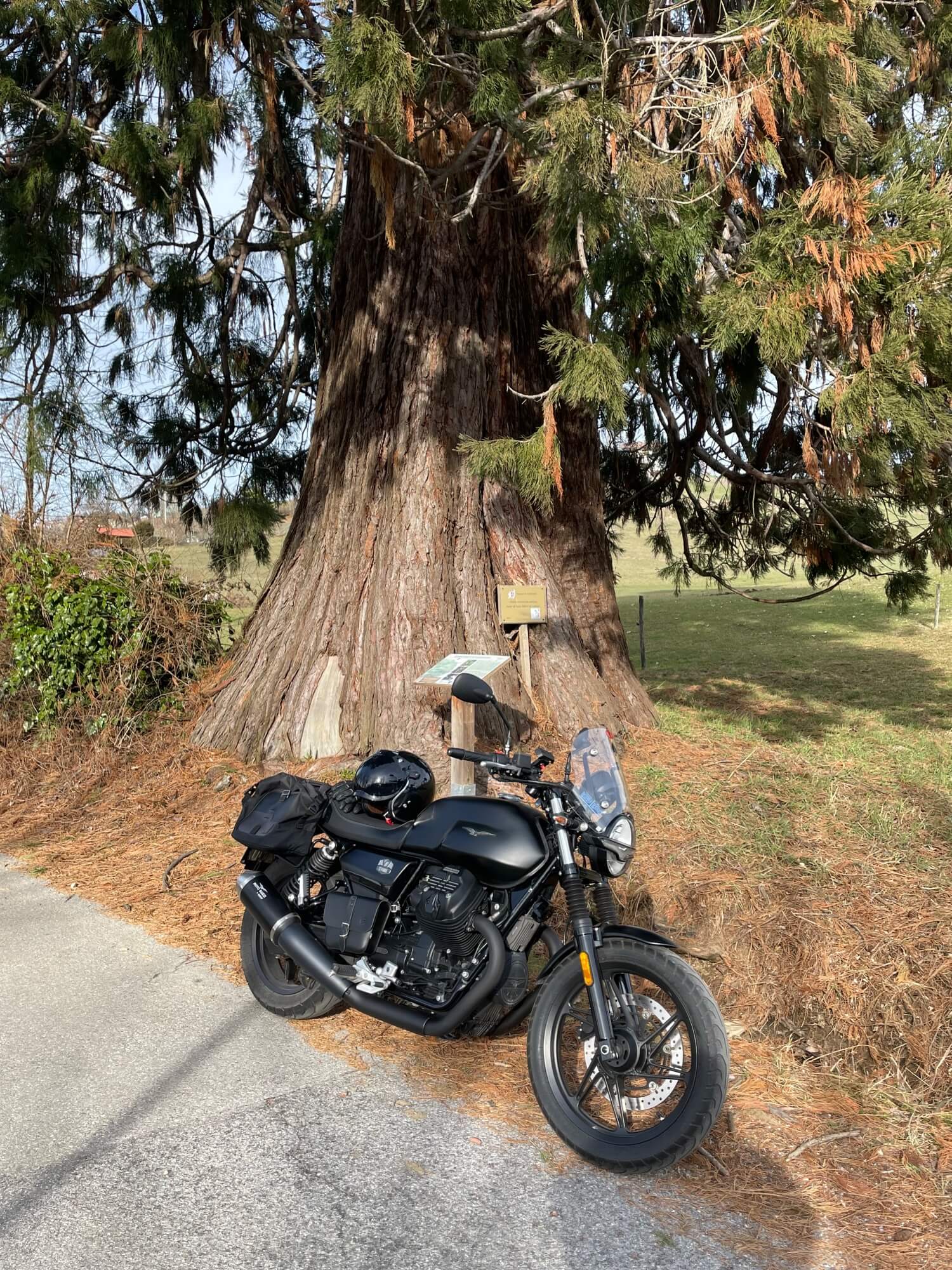
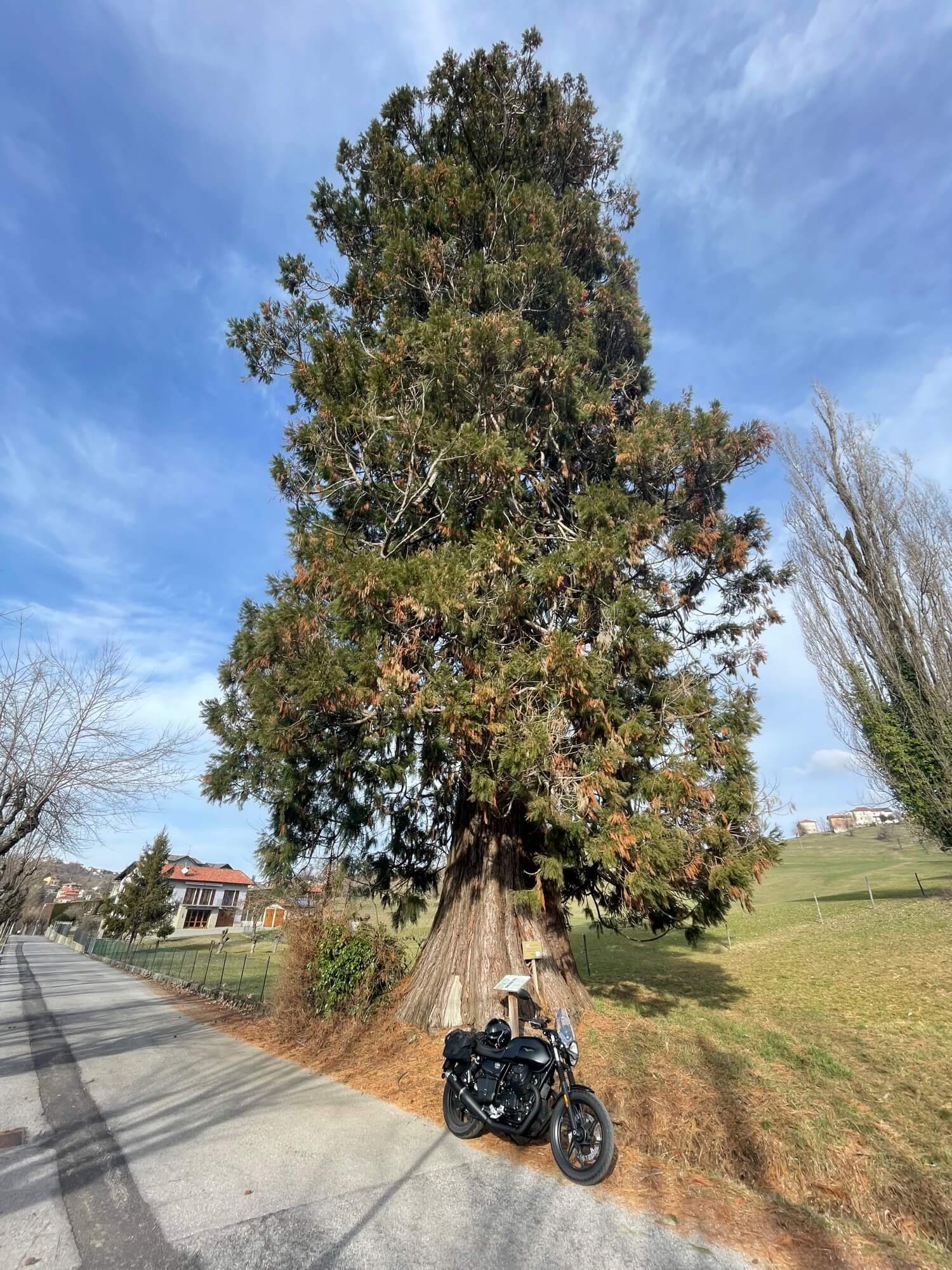
Sequoia tree in Vicoforte (Mondovì, Piedmont) and Moto Guzzi V7 Stone.
My plan is to create a little map of places that can be reached on two wheels, where you can admire some of the largest and most majestic trees in the country, without leaving your loved ones at home for too long without your doting care and attention. In Italy, since right back in the 1980s, someone has been tasked with systematically taking care of the oldest and largest trees, classifying them species by species, measuring them, and describing them. But the role of this person is also to safeguard these trees, seeking to limit the dangers that could lead to them becoming damaged and, ultimately, dying. The trees we will encounter are just some of their kind; currently, the Ministry of Agriculture, Food Sovereignty, and Forests (for which the Italian acronym is MASAF) protects over five thousand in total, scattered throughout our twenty regions; visit the dedicated website for the relevant lists and materials. Some are located in cities, in public and private gardens, parks, botanical gardens, and squares; others are remote, growing on volcanic hillsides, islands, mountain peaks, and in the many regional and national nature reserves within Italy.
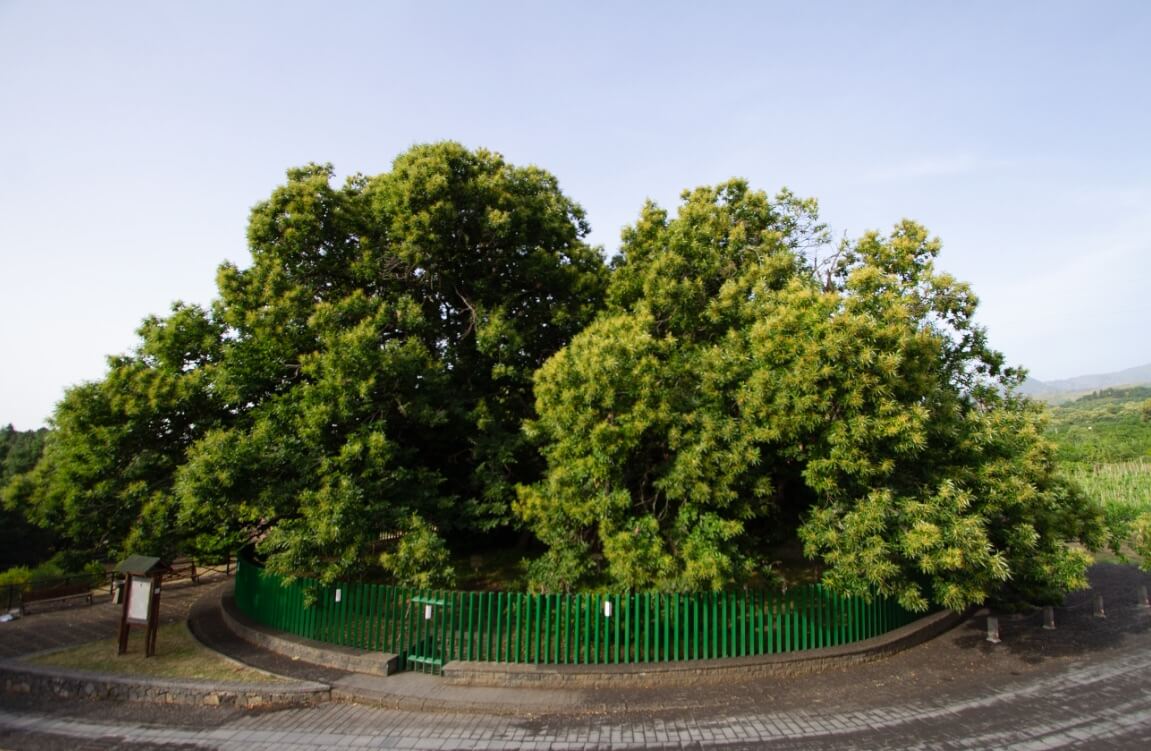
The Hundred-Horse Chestnut, Sant'Alfio (Catania, Sicily).
One of the most famous and celebrated destinations has long been home to a tree that is widely considered the king of our native species, ‘Lu Castagnu de li Cento Cavaddi’ - the Hundred-Horse Chestnut - in the municipality of Sant'Alfio, in the province of Catania. Clearly, we are in Sicily. From the coast, take a road that winds its way up through the towns and numerous villages that have sprung up at the foot of the great Mount Etna. Zafferana Etnea, Milo (where Franco Battiato lived), Presa, Linguaglossa, Randazzo, and so on. The SP5i and SP84 roads lead to the village of Sant'Alfio and the large car park opposite the Cento Cavalli bar, indicating that the ancient tree is just a stone’s throw away. A circular green fence marks the area containing three huge, monumental chestnut trees, testament to the tenacity of this living entity that has been rooted here for at least two thousand years (some say at least three). The weathered wood, the worn, pock-marked bark, and the still vast and shady canopy make this the oldest chestnut tree in Europe, and perhaps in the world. You can park your motorcycle just around the corner and feast your eyes: this incredible example can be admired twenty-four hours a day, twelve months a year.
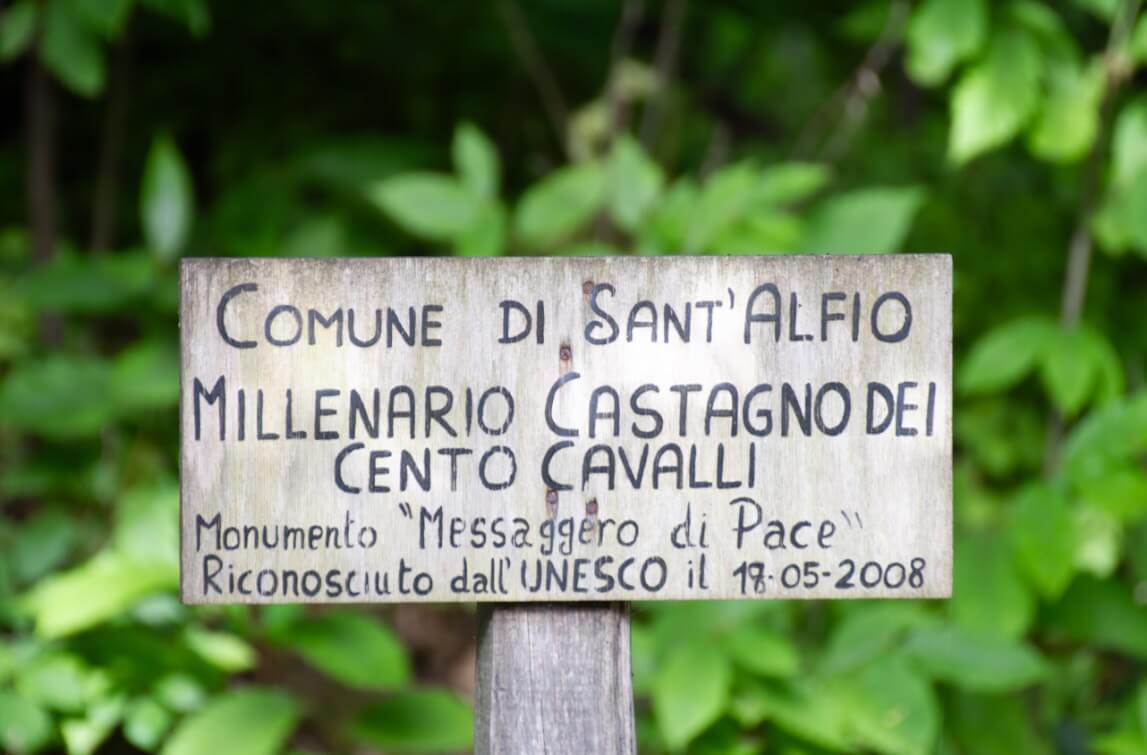
Catania, Sicily.
Its story is now the stuff of legend: the story goes that in the 18th century, a Spanish princess was travelling accompanied by a hundred strapping knights, and when a storm broke out, they took shelter under the branches of this vast tree, giving rise to its name. And to think that if it happened today, perhaps there would be fifty or a hundred motorcyclists, and a film star, model, or even just a friendly baker instead of the princess. What does it matter to us? No longer horses, however majestic, but shiny, roaring motorcycles, Moto Guzzis, perhaps...
Another destination I recommend is in Emilia-Romagna, in the upper Modena area, on the road that leads to Lago Santo. Here, we’re in the province of Modena. From the city, you can head towards Pavullo nel Frignano (a superb location for large trees, with two giant sequoias and a Lebanese cedar growing in the Ducal Park, while the Parco dei Pini below is home to several sequoias that are probably centuries old), then take the SS12, which becomes the SP42 at Lama Mocogno, with many, many bends, all the way to Pievepelago.
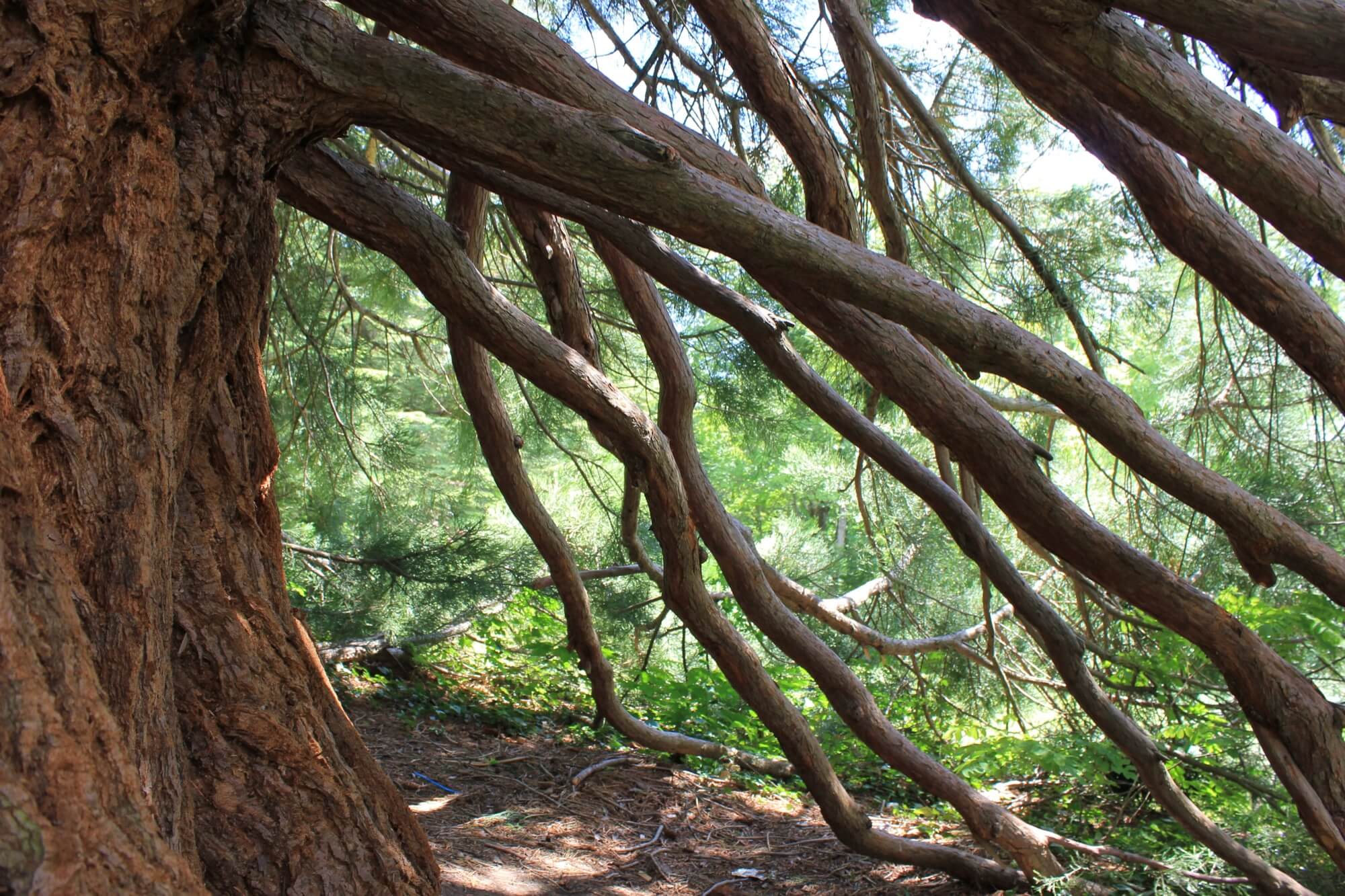
Giant sequoia, Pavullo nel Frignano (Modena).
Here, pass through the village, continue along the SP 324 for a kilometre, and then take the detour on the left onto Via Lago Santo. In fifteen minutes or less, seven kilometres further on, you’ll reach Tagliole, where it is easy to find signs for Case Mordini and the centuries-old elm tree, which is also georeferenced on Google Maps.
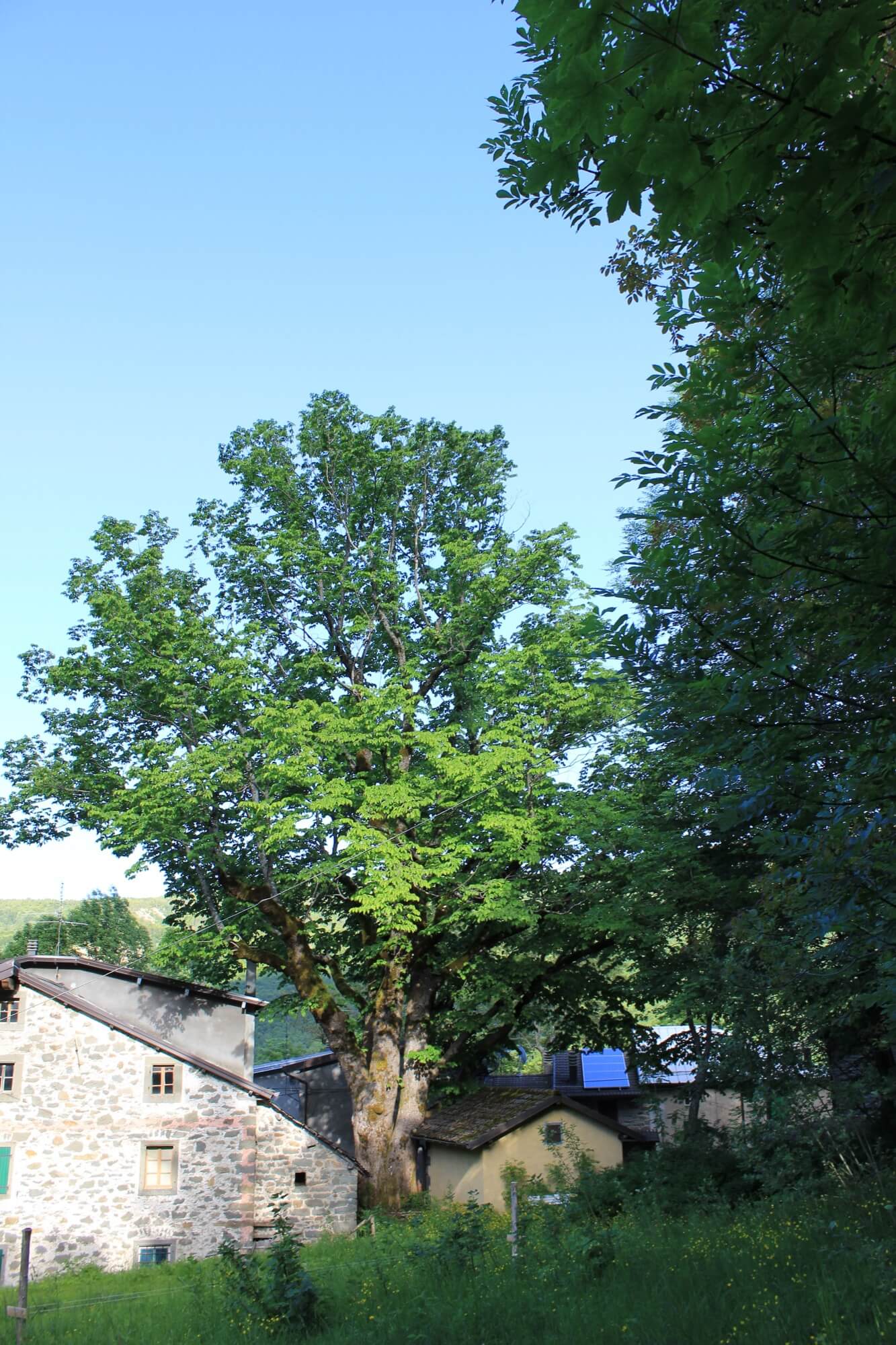
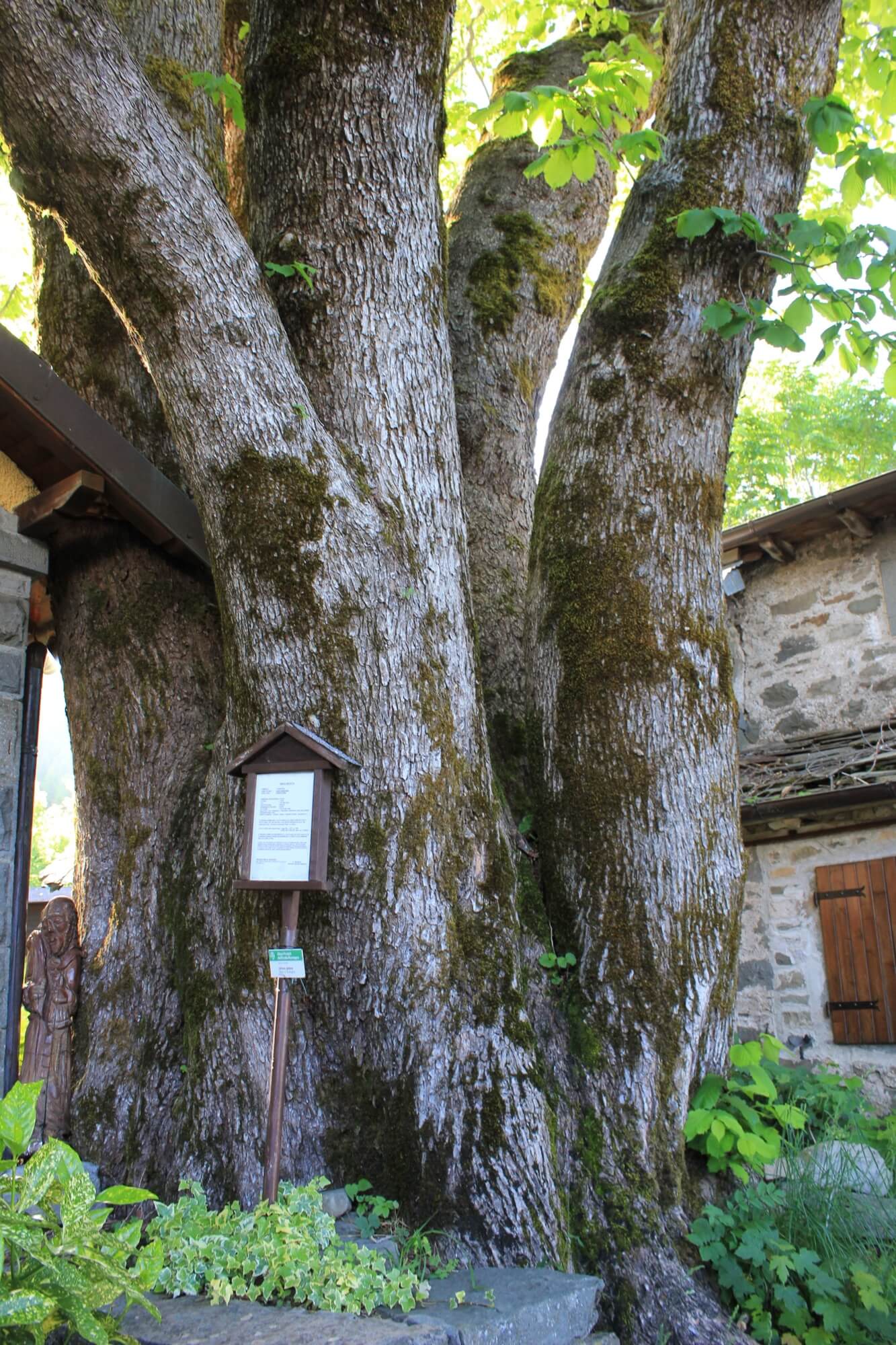
Secular elm tree, Tagliole (Municipality of Pievelago, Modena).
This triumphant arboreal king stands next to a small church, the Oratory of Santa Maria. The church has been here since 1719, and the elm tree perhaps even longer. At twenty-four metres high, it is extremely tall, with a polycormic trunk (i.e., with multiple growths) and a circumference of 680 cm. It is considered the oldest mountain elm in Italy, and is certainly a survivor, as most of the country’s largest elms have fallen and died due to Dutch elm disease, which has blighted them over the last hundred years. Nestled in the crevices between the branches was a small wooden statue of a friar - who knows if it’s still there. It is eighty kilometres and about an hour and a half to two hours’ ride from Modena. From Bologna, it is 116 kilometres and takes two and a half hours.
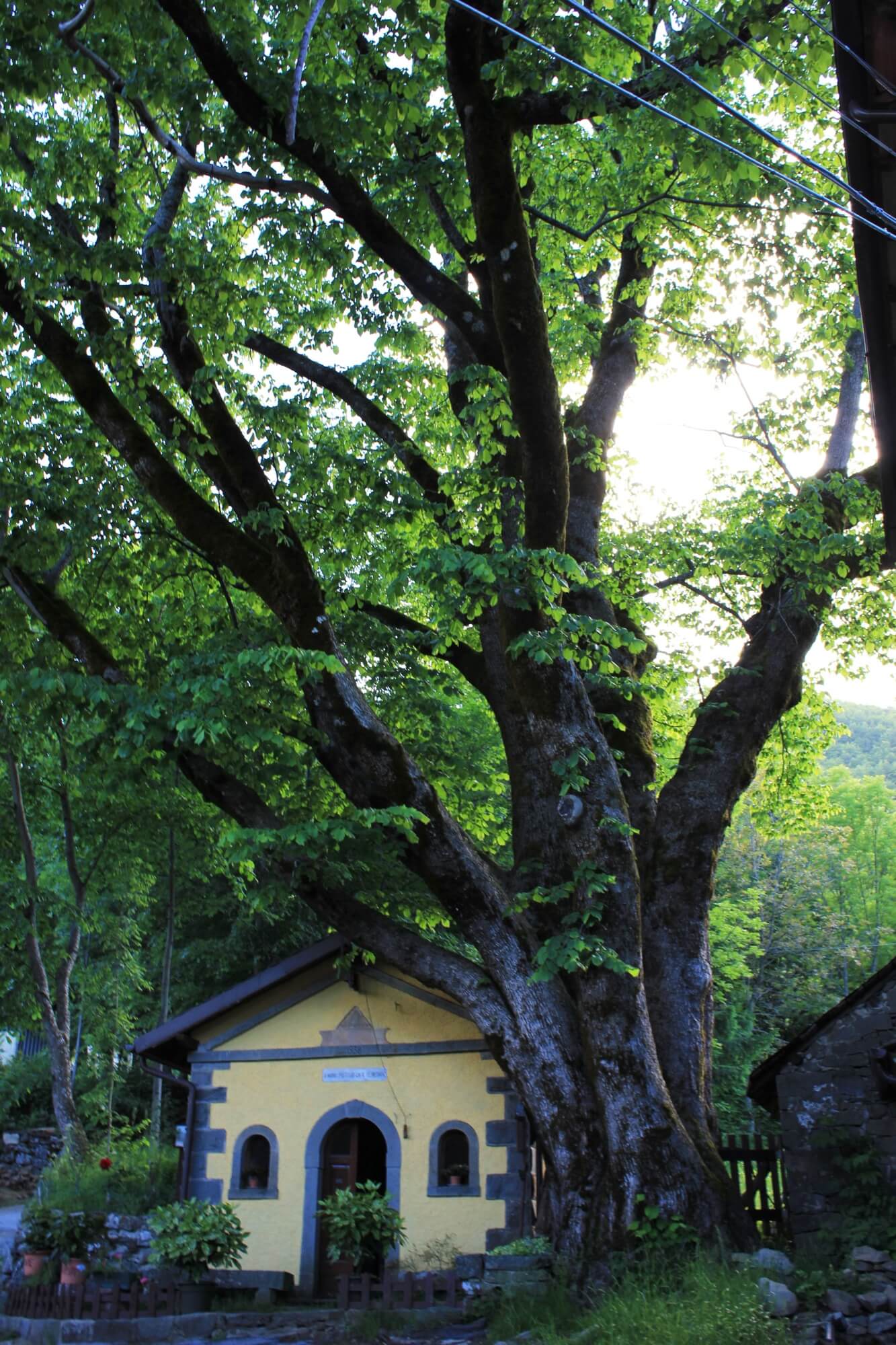
Secular elm tree, Tagliole (Municipality of Pievelago, Modena).
As for cities, large trees can be found all over - you can visit some of these as you ride your motorbike to Turin, Milan, Padua, Alessandria, Biella, Genoa, Bologna, Florence, Ascoli Piceno, Rome of course, and then Naples, Caserta, Trapani, Cagliari, and many other places. It’d be almost impossible for me to choose just one, so perhaps it’s a better bet to visit the botanical gardens, which are almost always home to several ancient specimens, or the municipal gardens and parks, another typical location for trees that have been standing for centuries. Milan may seem a bit lacking in this regard, but it is home to several botanical monuments, such as the plane trees and yews of Porta Venezia, the ginkgo trees of Brera, the plane trees of Villa Litta, and some unexpected rock-climbing wisteria clinging to the walls in the squares.
Moving on to the area where Moto Guzzi has its historic headquarters (Mandello del Lario, Lecco, ed.), as we all know, there are also natural areas dating back centuries, with plenty of opportunities to rediscover the enduring voice of nature, such as the Sentiero del Viandante trail, perfect for those who love to hike from dawn to dusk, or the easy walk that leads to the Cenghen waterfall in an hour or so, or the La Ferrera cave, the woods of Gardata and the enchanting Alpe d'Era, right up to the refuges and trails of Grigna. Are there any monumental trees around here? The gardens of some of the historic villas in these parts are excellent places to admire the splendid silhouettes of trees that are at least a century old; Villa Carlotta in Tremezzo, for example, and the plane trees and cedars of Villa Erba in Cernobbio, two residences well known to European tourists.
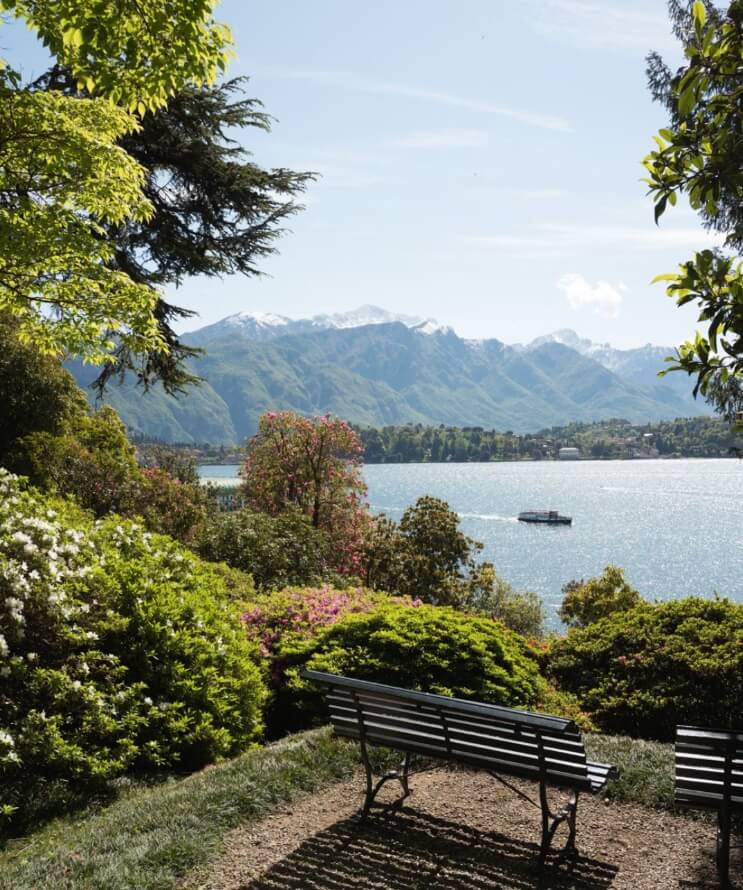
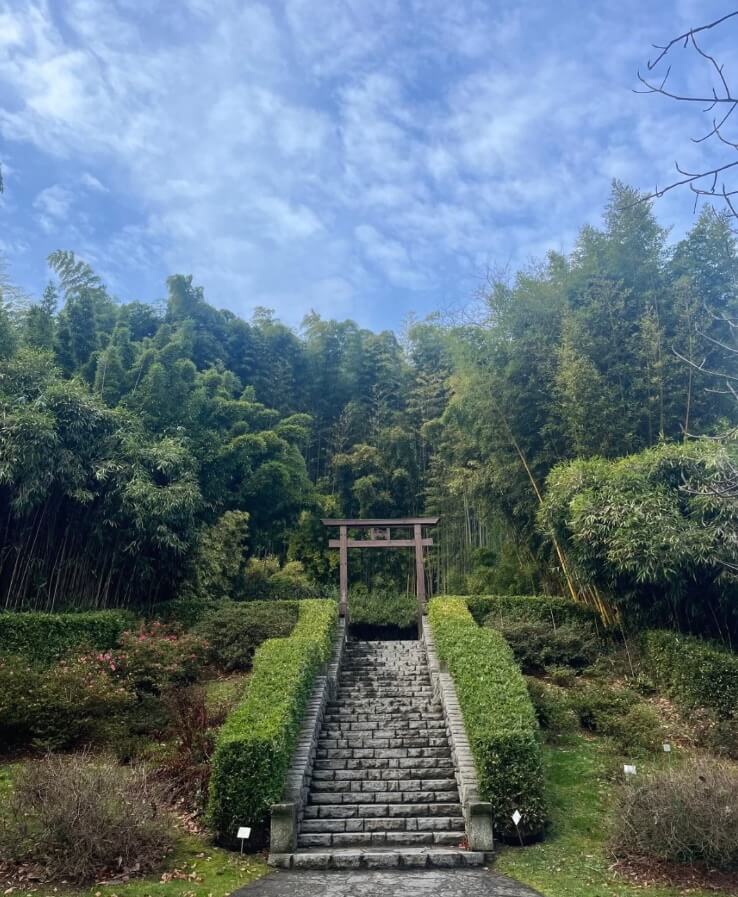
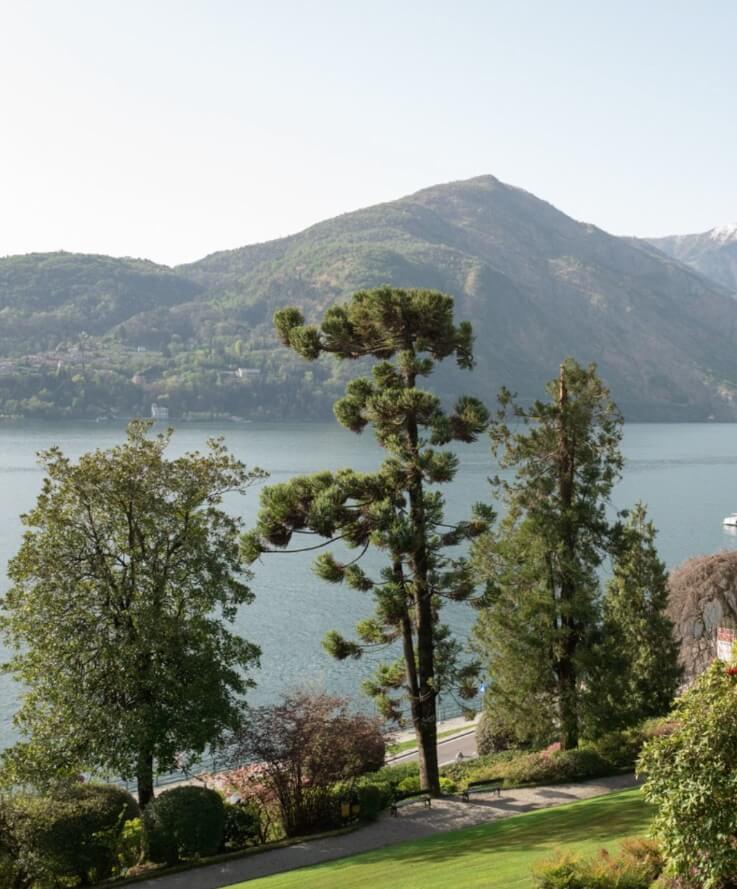
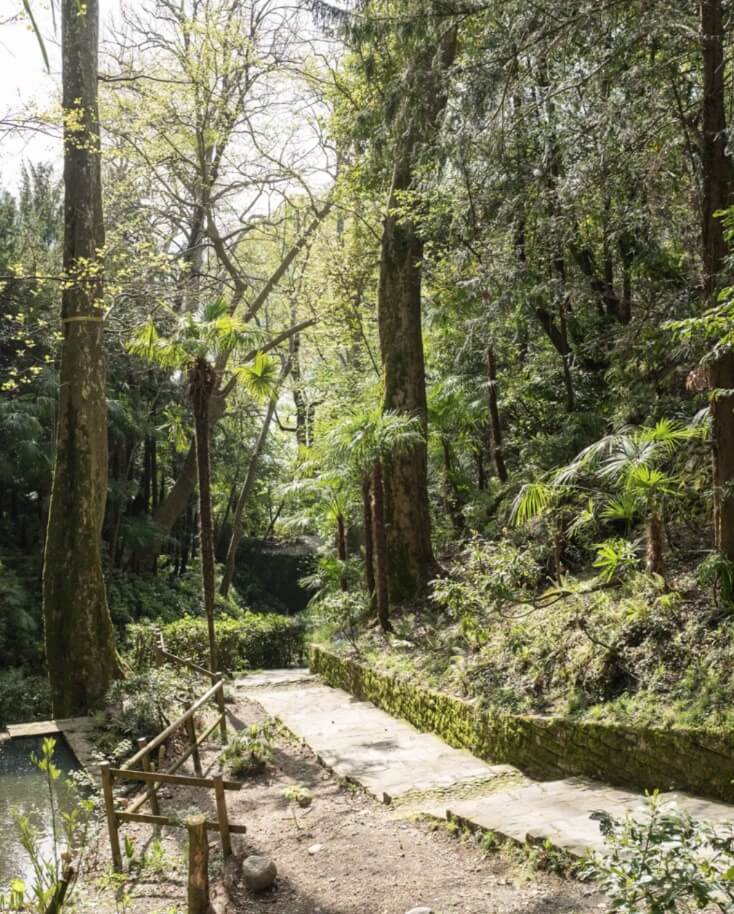
Villa Carlotta, Museum and Botanical Garden, Lake Como.
Immages: https://www.facebook.com/villacarlottalakecomo
The tree that is most evocative of these towns huddled along the eastern shore of the Lecco branch of Lake Maggiore is probably the poplar; indeed, several specimens of over twenty-five metres in height can be found in these parts. And while we're on the subject of monumental trees, one of the nearest examples to Mandello del Lario is the splendid two-hundred-year-old magnolia that grows in the blooming botanical gardens on the lakefront of Villa Monastero, Varenna; exactly twelve kilometres north of Moto Guzzi's famous red gate, follow the SP72 road that leads practically to the entrance of Villa Monastero.
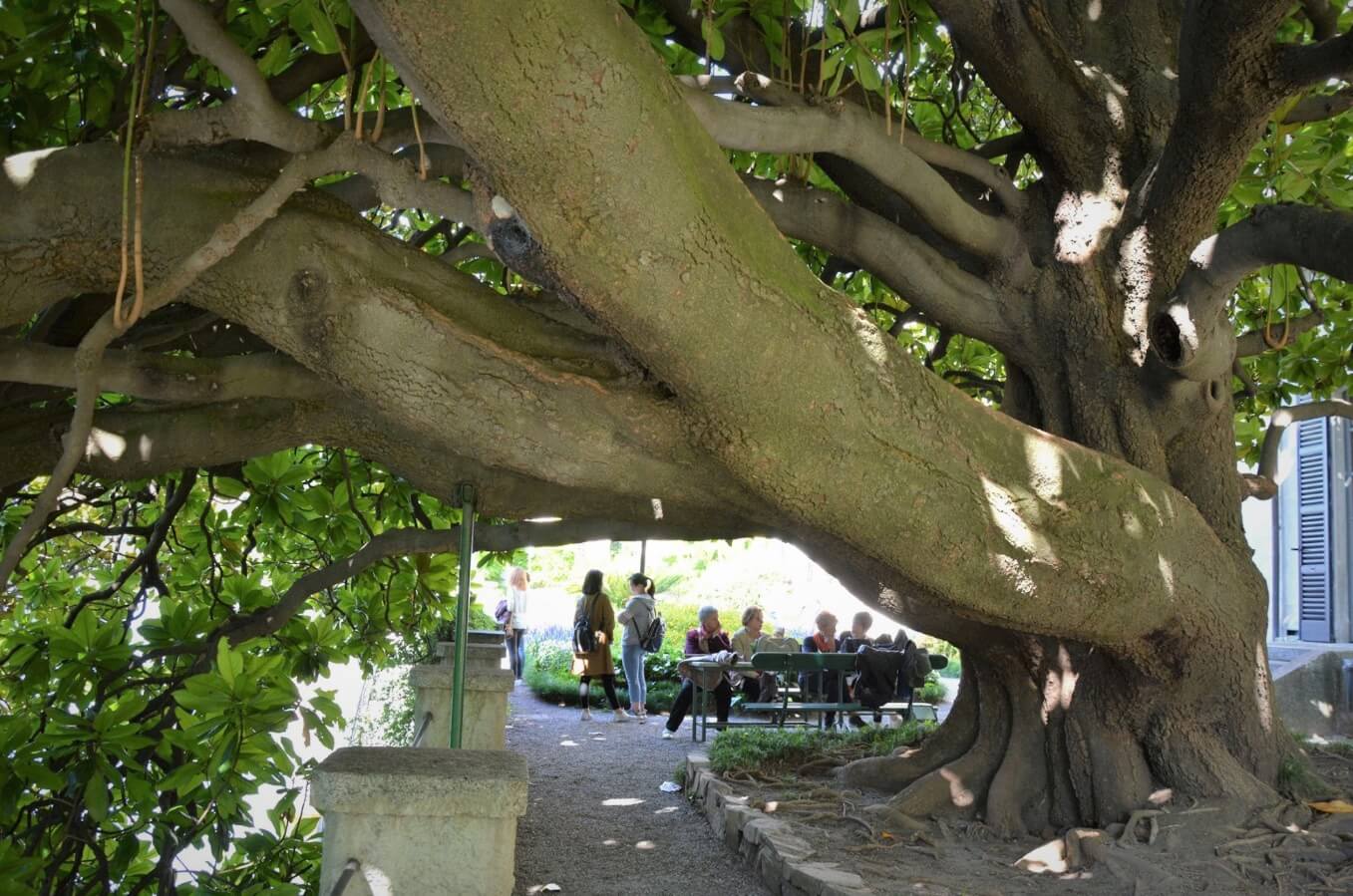
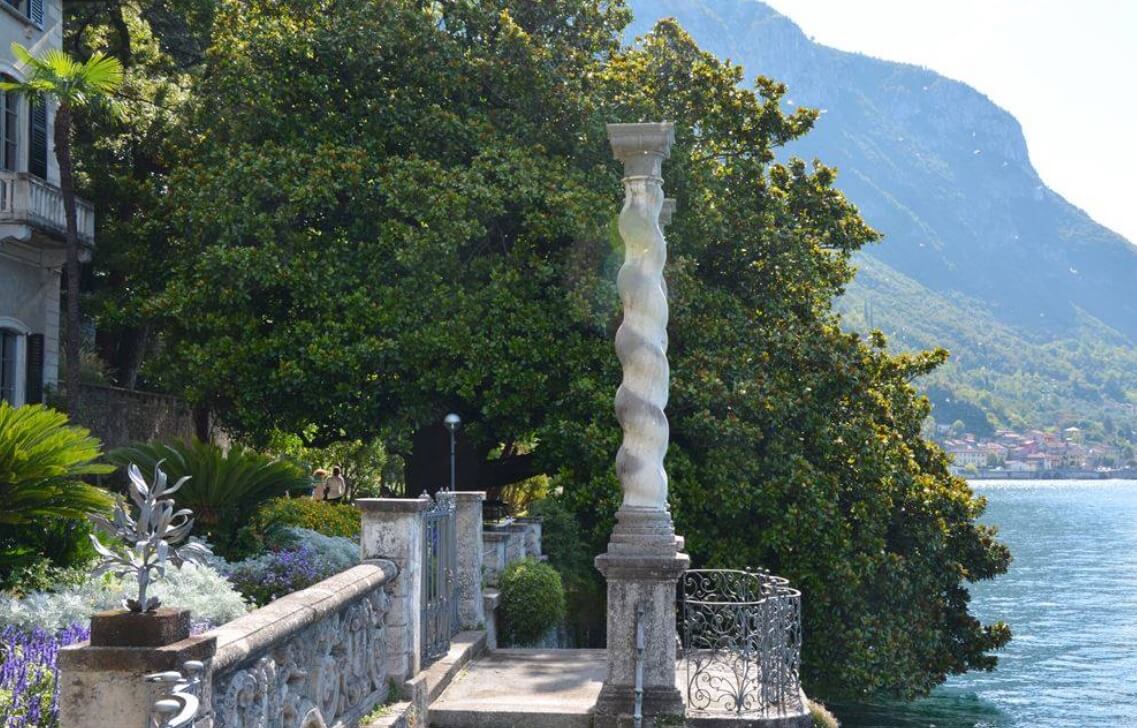
The magnolia (Magnolia grandiflora) at Villa Monastero in Varenna (Lecco); in the photo below, view of the tree overlooking the lake. Images: https://www.facebook.com/ilregistrodeglialberi
Here, once you have paid the entrance fee (€9 for the garden alone, if memory serves), you’ll step inside a little corner of paradise, where it is impossible not to notice the Magnolia glandiflora with its luxuriant foliage. The base of its greenish trunk swells to a girth of four and a half metres, then opens out into a series of primary branches, one of which bends and extends toward the shores of the lake like a trunk, seeking water and sun, and enjoying the stunning surroundings, just as we would on a bench.
The recent update to the list of monumental trees protected by the Lombardy Region also includes a large beech in Campelli, Abbadia Lariana, a town near Mandello, a cypress tree in the Bellano cemetery, as well as several in the provincial capital, Lecco, such as the beech trees of Piani Erna, the cedar and lime trees of Villa Guzzi (the villa* was rebuilt in 1937-38 by the son of Moto Guzzi’s founder, Ulisse, and was designed by the rationalist architect Mario Cereghini; according to tradition, Manzoni based the residence of his character Don Rodrigo on this place - wherever you turn, you’ll more than likely come across a story...). Elsewhere, we have the poplars of Pescarenico, the Atlas cedar of Villa Brini, the magnolia of Parco Falck, and the willows, rarely so majestic , of Villa Gomez and Maggianico.
*Villa Guzzi, in Lecco, was built on the site of the ancient “Palazzotto di Don Rodrigo” dating back to the 16th century. In 1982, Angela Locatelli, Guzzi's widow, transferred ownership of the villa to the Municipality of Lecco (editor's note).
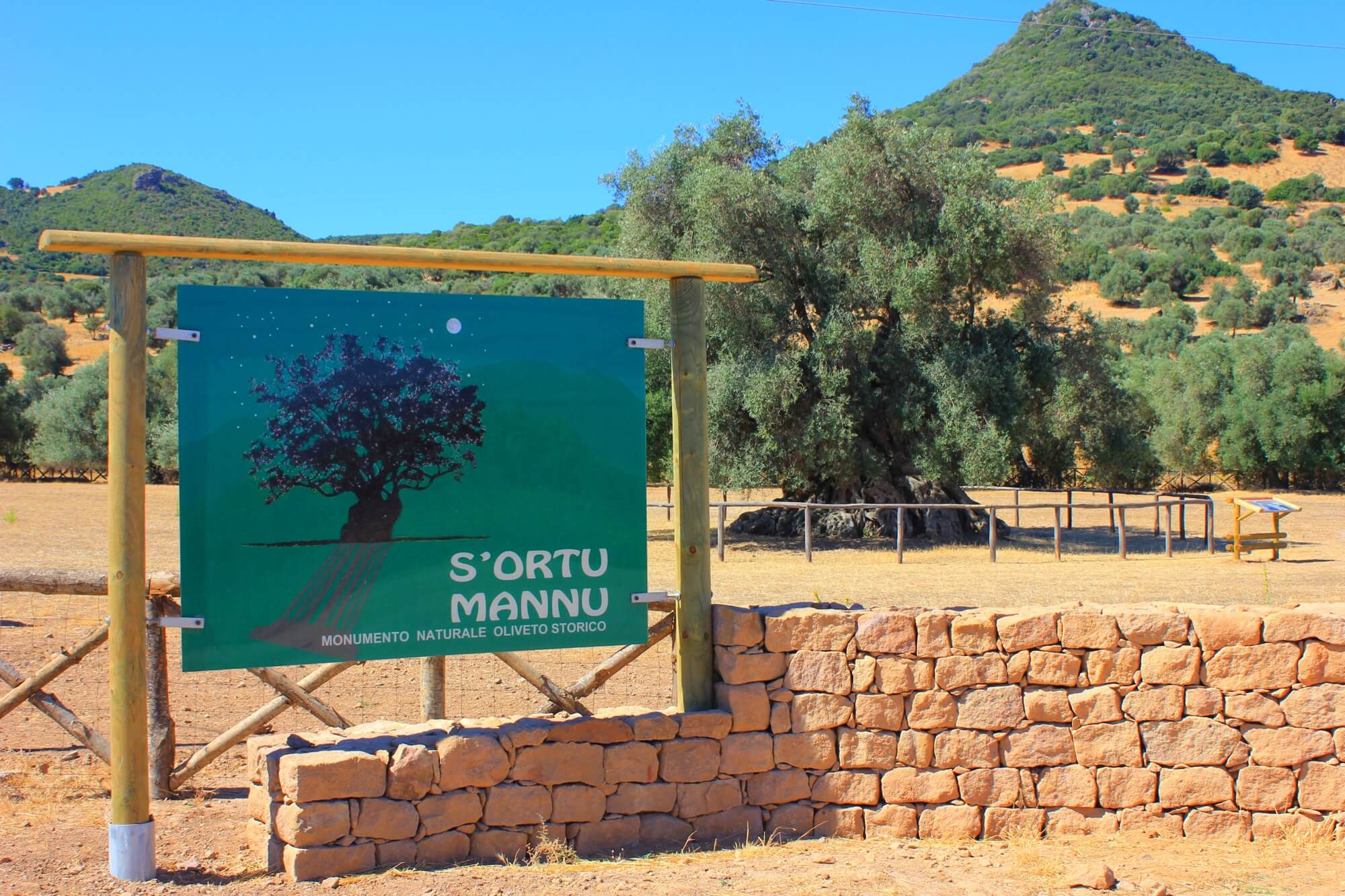
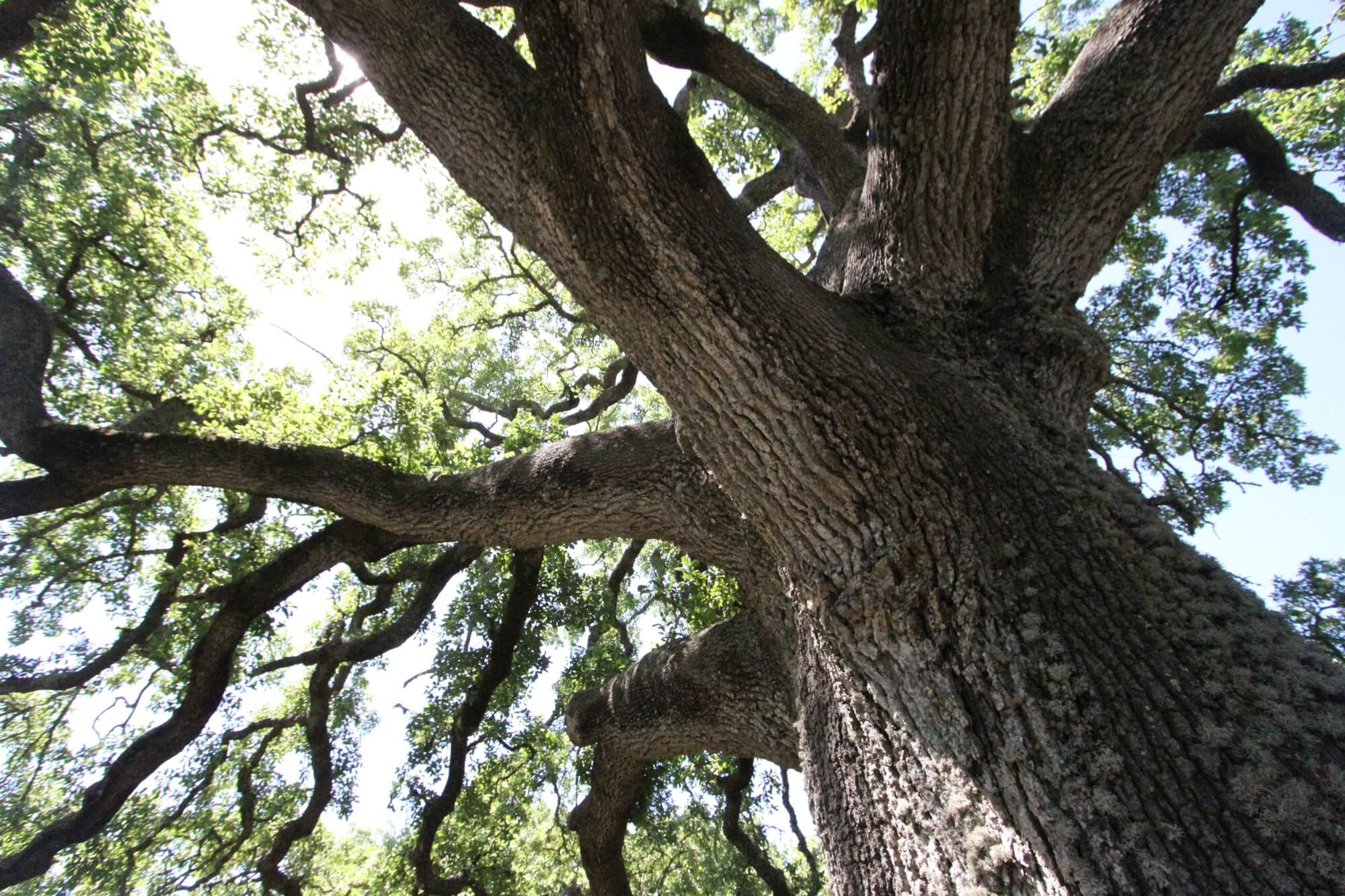
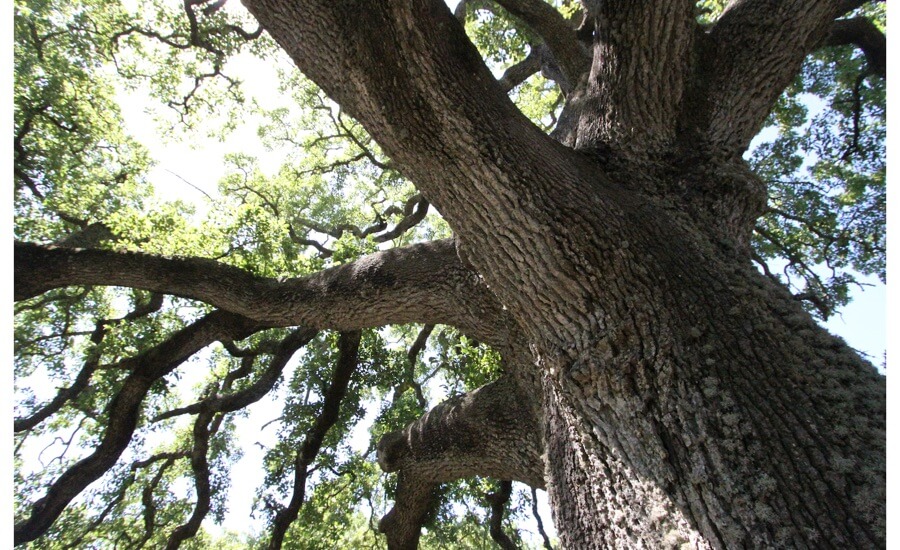
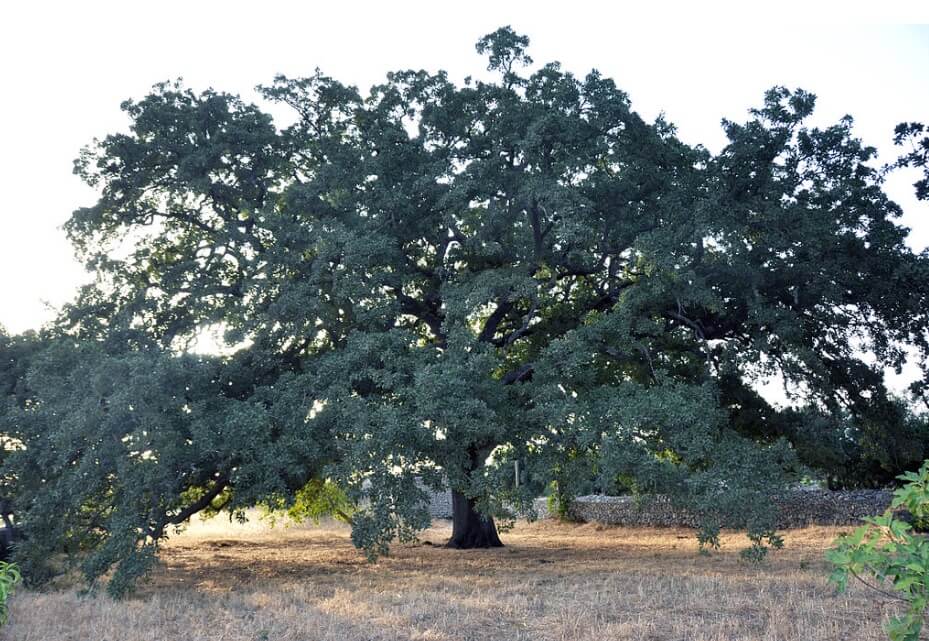
South: left in Sardinia, ‘S'Ortu Mannu’ (Villamassargia, province of Sulcis Inglesiente), a natural oasis-museum with 700 olive trees dating back centuries, including ‘sa Reina’ (‘his Queen’); right, in Puglia Tricase (Lecce) and photo below: the Vallonea oak, a 900-year-old tree which is one of the oldest in Italy, 20 metres high, with a circumference of 4.5 metres and a canopy that spans 700 square metres. The protagonist of the ‘legend of the hundred knights’: it is said that Frederick II of Swabia, returning from the Crusades, took shelter from a heavy storm under the immense tree, a stone's throw from the sea, together with his hundred knights.
The wind I initially said, just like the breeze blowing across the valleys here in the Piedmont Alps this morning: once I turn off my computer, I'll put on my jacket and helmet, and together with my V7 Stone, we'll go hunting for centuries-old trees. Bon voyage!
Tiziano Fratus.
MASAF, List of Monumental Trees in Italy:
https://www.masaf.gov.it/flex/cm/pages/ServeBLOB.php/L/IT/IDPagina

BIOGRAPHY OF TIZIANO FRATUS. Tiziano Fratus (Bergamo, 1975, Lombardy region) is the son of a carpenter and a needlewoman; and he grew up in the Lombardy plains and the hills of Monferrato (Piedmont region). A nomadic writer, he has written an extensove collection of prose and verse spanning some forty works, including Giona delle sequoie, Alberi millenari d’Italia,, L’Italia è un bosco, I giganti silenziosi, Manuale del perfetto cercatore di alberi, Ogni albero è un poeta, Alberodonti d’Italia, Il bosco è un mondo, Sutra degli alberi, Poesie creaturali, Una foresta ricamata, and Sogni di un disegnatore di fiori di ciliegio, published by Mondadori, Einaudi, Feltrinelli, Bompiani, Aboca, Laterza, Gribaudo, and others. His latest books are L’Affaire Simenon (Solferino) and Il passero buddhista (Ubiliber).
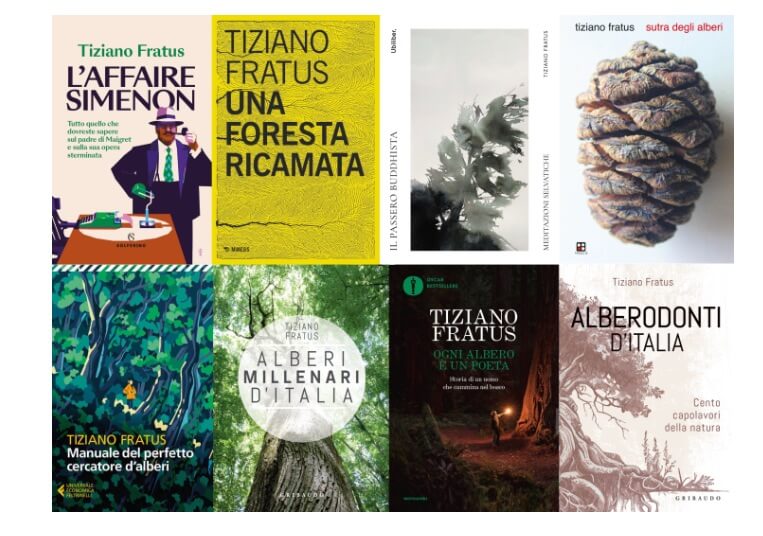
He has collaborated with a number of newspapers (including La Stampa, La Repubblica and Il Manifesto) and periodicals; hosted radio programmes, and has been producing documentaries for five years for Geo on Rai3 (one of the main channels of national public television); he has also held personal photography exhibitions and his poetry has been translated into eleven languages and published in twenty countries. He lives at the foot of the Alps opposite a forest. His personal website can be found at Studiohomoradix.com
STUDIO HOMO RADIX: https://studiohomoradix.com/
‘The distance between root and branch is proportional to the distance between reality and thought’.
Where to see him on tour:
L'Affaire Simenon (Libri Solferino).
Una foresta ricamata (Mimesis)
Il passero buddhista (Ubiliber).
Tiziano Fratus has received the Foreste/Città di Bergamo 2025 award.
Watch the series Grandi alberi d’Italia (Great Trees of Italy) on Geo Rai3: available for streaming on RaiPlay;
Read the articles on Piemonte Parchi and Gate (Italian Buddhist Union).